If you follow the headlines for Orange County or the broader New York metro, Tuxedo Park’s numbers can feel confusing. One month a historic estate sells and the median jumps; the next, a smaller home closes and the averages fall. If you are weighing a purchase or planning a sale, you need context that reflects this rare, gated enclave. In this guide, you will learn how scarcity, seasonality, and provenance shape pricing, inventory, and time on market so you can make a confident move. Let’s dive in.
What makes Tuxedo Park different
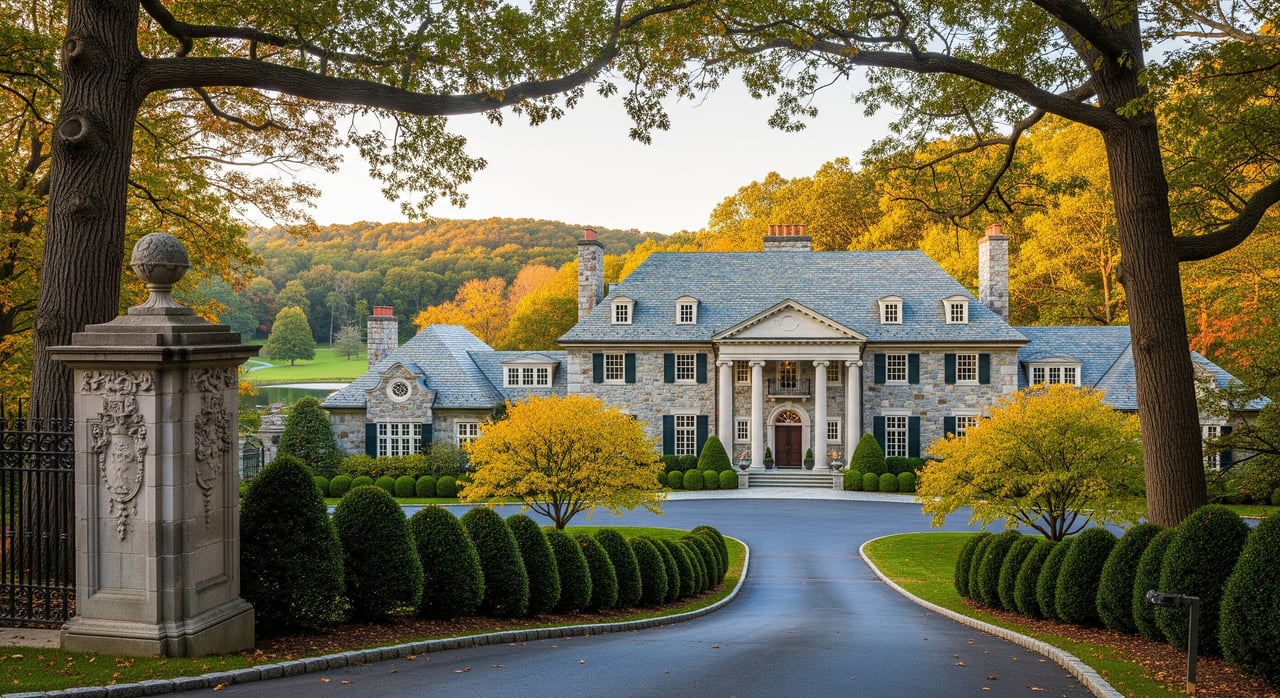
Tuxedo Park is a private, Gilded‑Age community with winding private roads, generous lots, and a high concentration of historic homes. Much of the village sits within the Tuxedo Park Historic District, which shapes what can be built and how renovations proceed. That heritage adds appeal and also influences valuation.
You are within reach of New York City through the Metro‑North Port Jervis line at Tuxedo station and regional highways like I‑87 and I‑287. For many NYC buyers, the ability to mix weekday access with weekend privacy is a key driver. You also step into a landscape of lakes, forest, and nearby parkland, including Harriman State Park and Bear Mountain, along with private clubs and social institutions that enrich the lifestyle.
Why headline stats can mislead
Tuxedo Park has very low inventory and few sales in any given year. A single large estate can shift the median sale price and average days on market by a wide margin. Automated valuations that work in bigger suburbs often miss the mark here because there are too few true comparables.
The product mix is also heterogeneous. You may see a restored early‑1900s mansion next to a mid‑century home or a rare, subdividable parcel. Buyer motivations range from legacy stewardship to weekend retreat, which means negotiation patterns do not always follow broader county trends.
What drives pricing
Supply constraints
- Scarcity of buildable lots and preservation rules constrain new construction and subdivision. This limits inventory growth and keeps competition focused on existing homes.
- Historic‑district review and deed covenants can add time and cost to renovations, which influences how buyers price projects and how sellers position listings.
- Estate ownership carries higher maintenance, utilities, and potential restoration expenses, reducing the pool of ready participants on both sides.
Demand patterns
- The buyer pool blends NYC second‑home seekers, local principals, and those prioritizing privacy. Many value provenance, architectural quality, and grounds over conventional suburban features.
- Macroeconomic factors matter, including mortgage rates, stock market performance, and NYC employment. Luxury buyers often respond to credit conditions and overall wealth effects rather than entry‑level affordability metrics.
Property‑level value
- Land and setting often dominate value on larger estates. Lot size, privacy, water views, and approach can outweigh bedroom counts.
- Architectural significance, documented provenance, and condition add premiums. Named architects and intact original details can lift pricing.
- Utilities and access matter. Municipal water or sewer, private road maintenance, and reliable broadband can affect both marketability and appraisals.
Inventory and time on market
Seasonality you can plan around
Showing activity typically rises from late spring through early fall. Longer days and peak landscape conditions help buyers appreciate grounds and views, and inspections are easier to schedule. Winter slows the pace, but motivated second‑home buyers and investors still transact off‑season when a property is well priced and well presented.
DOM expectations and pricing tactics
Days on market vary widely. A rare, well‑priced, and turnkey historic home can draw immediate interest. A niche estate that requires specialized restoration may wait for the right match. Pricing strategy matters more than trying to time the calendar. Overpricing can dramatically extend DOM because the qualified buyer pool is small. Strategic, data‑backed pricing supported by strong presentation can create competitive interest.
How seasonality shapes opportunity
- For sellers: late spring and summer maximize outdoor presentation and buyer turnout, but well‑priced unique properties attract attention year‑round.
- For buyers: off‑season can offer leverage on lingering listings. That said, exceptional, historically significant homes rarely trade at deep discounts because informed buyers monitor these properties closely.
How to evaluate value here
Given the micro‑market’s small sample size, lean on local sources and human expertise.
- Local MLS data: The regional MLS covering Tuxedo provides the most current picture of inventory, days on market, and agent notes. Low sample counts mean you should look at ranges and property narratives, not just medians.
- County property records: Orange County records offer deed history, assessed values, and tax data that help verify comparables and past transfers.
- Historic documentation: National Register and state preservation records can confirm status and context for specific homes and districts.
- Commute context: Metro‑North Port Jervis line schedules and station details help you weigh weekday use versus weekend retreat.
- Local broker judgment: Experienced brokers in Tuxedo Park synthesize private showings, off‑market activity, and restoration realities that never surface in public portals. This on‑the‑ground intelligence is essential for pricing and bidding.
Buyer playbook: second‑home focus
- Start with in‑person visits. Photos cannot convey approach, privacy lines, or how a house sits on the land. Walk the site, listen for road noise, and study light and exposures.
- Build your local team early. Line up a broker fluent in Tuxedo Park, a historic‑property contractor, and a surveyor. Plan for permitting timelines and potential seasonal work windows.
- Clarify use. A weekend retreat may prioritize turnkey systems and easy maintenance. A full‑time move may call for insulation, heat upgrades, and connectivity.
- Price for provenance. Expect a premium for turnkey, authentic homes with documented history. Exceptional offerings often have limited negotiation room because substitutes are scarce.
Seller playbook: legacy‑property strategy
- Use true comparables. Anchor pricing to a small set of well‑matched sales by lot size, architectural pedigree, and condition. Automated portals tend to overgeneralize here.
- Time for presentation. Listing in late spring or early summer allows the landscape to shine and increases showing activity. Keep engagement open year‑round to capture serious off‑season buyers.
- Prepare for due diligence. De‑clutter, address targeted landscaping, and compile documentation on historic features, systems, and upgrades to reduce friction and inspire confidence.
- Market to the right audience. Work through vetted buyer lists and luxury networks that reach NYC, New Jersey, and Connecticut. Private previews and carefully staged showings often produce the best results for estate properties.
Framing your next move
Tuxedo Park is a market where scarcity, history, and setting do most of the talking. This is why the right guidance matters. A nuanced read of comps, a realistic plan for improvements, and presentation that honors provenance can unlock strong outcomes for both buyers and sellers. If you are exploring a purchase or preparing to list, connect with a local specialist who treats each property as part of a lived landscape.
Ready to map your strategy or walk current opportunities in the Park? Reach out to Elizabeth Broderick for curated guidance and hospitality‑level service tailored to Tuxedo Park.
FAQs
How is Tuxedo Park’s market different from Orange County overall?
- Inventory is scarce, homes are highly unique, and a few large estate sales can skew averages, so qualitative context and true comparables matter more than countywide medians.
When is the best time to list a home in Tuxedo Park?
- Late spring through summer boosts showings and outdoor presentation, but serious buyers shop all year, so well‑priced properties can sell in any season.
How long do homes take to sell in Tuxedo Park?
- Days on market vary widely; well‑priced, turnkey historic homes can move quickly, while niche estates may wait for the right buyer due to a smaller pool.
What adds the most value to a Tuxedo Park estate?
- Lot and setting, architectural significance, documented provenance, and strong condition typically drive value more than basic bedroom or bathroom counts.
How should NYC second‑home buyers plan visits to Tuxedo Park?
- Schedule in‑person tours to assess privacy, approach, and grounds, and consult a local team early to evaluate restoration scope, utilities, and seasonal access.