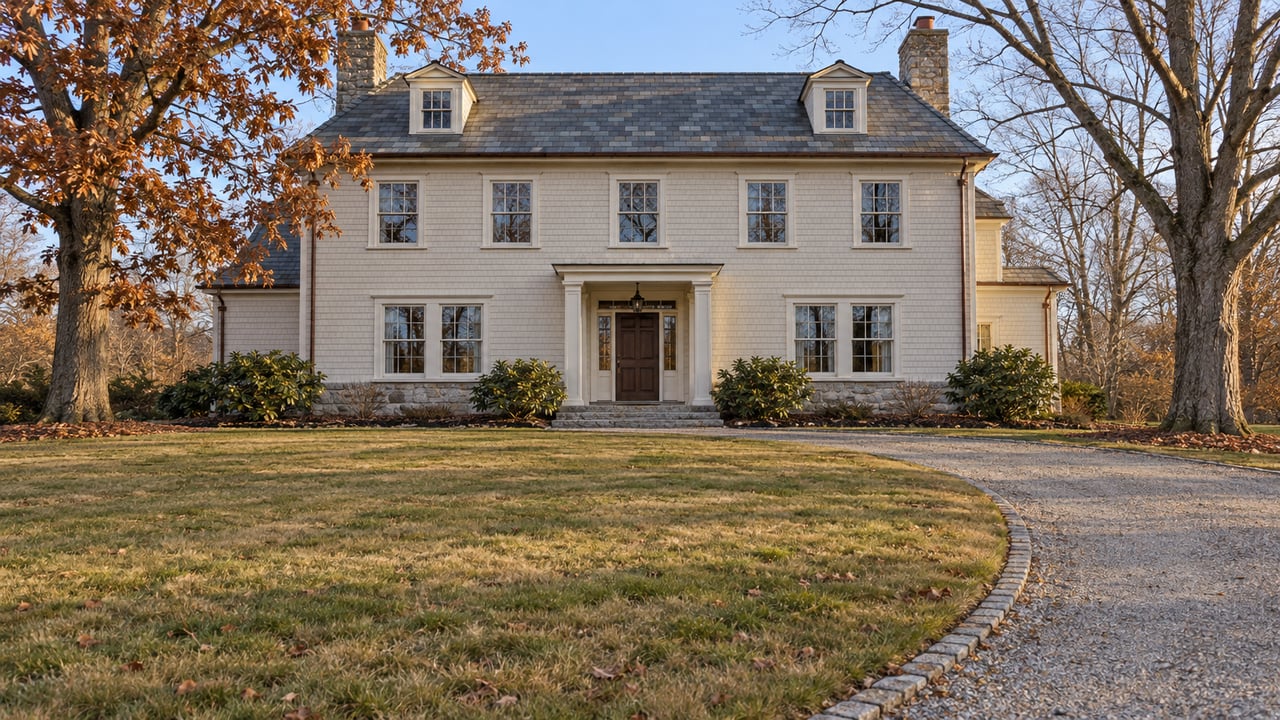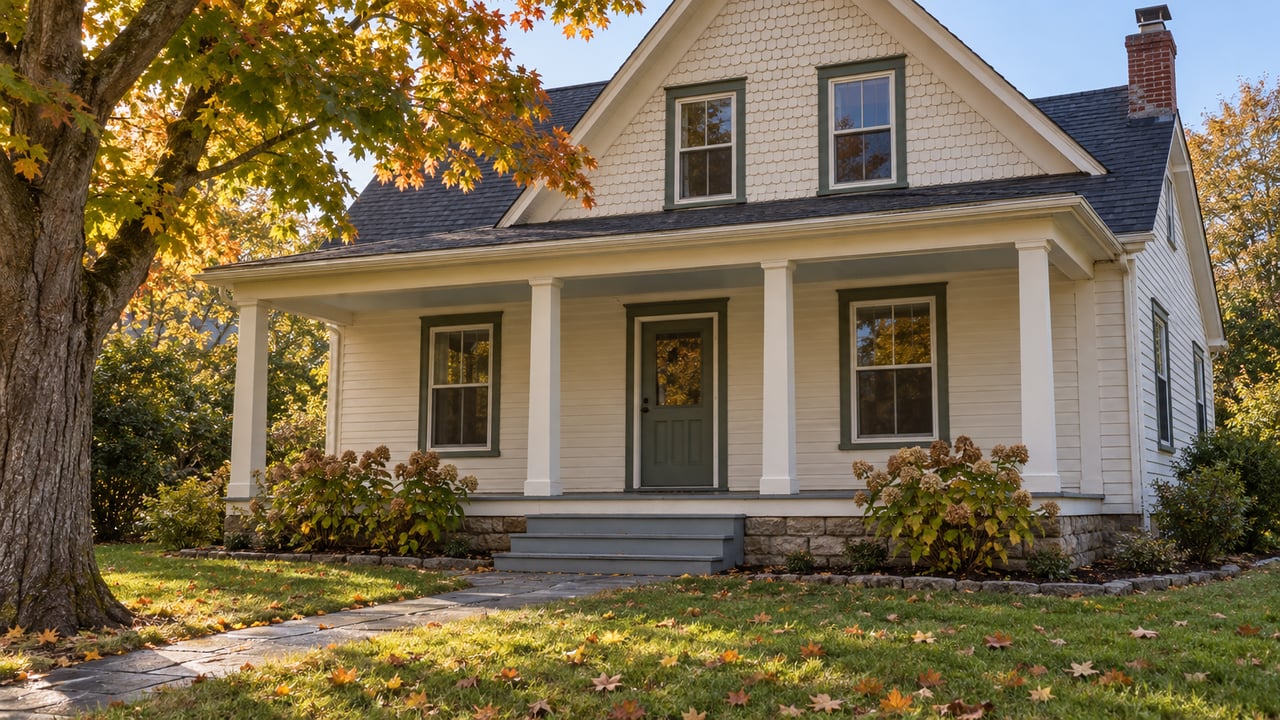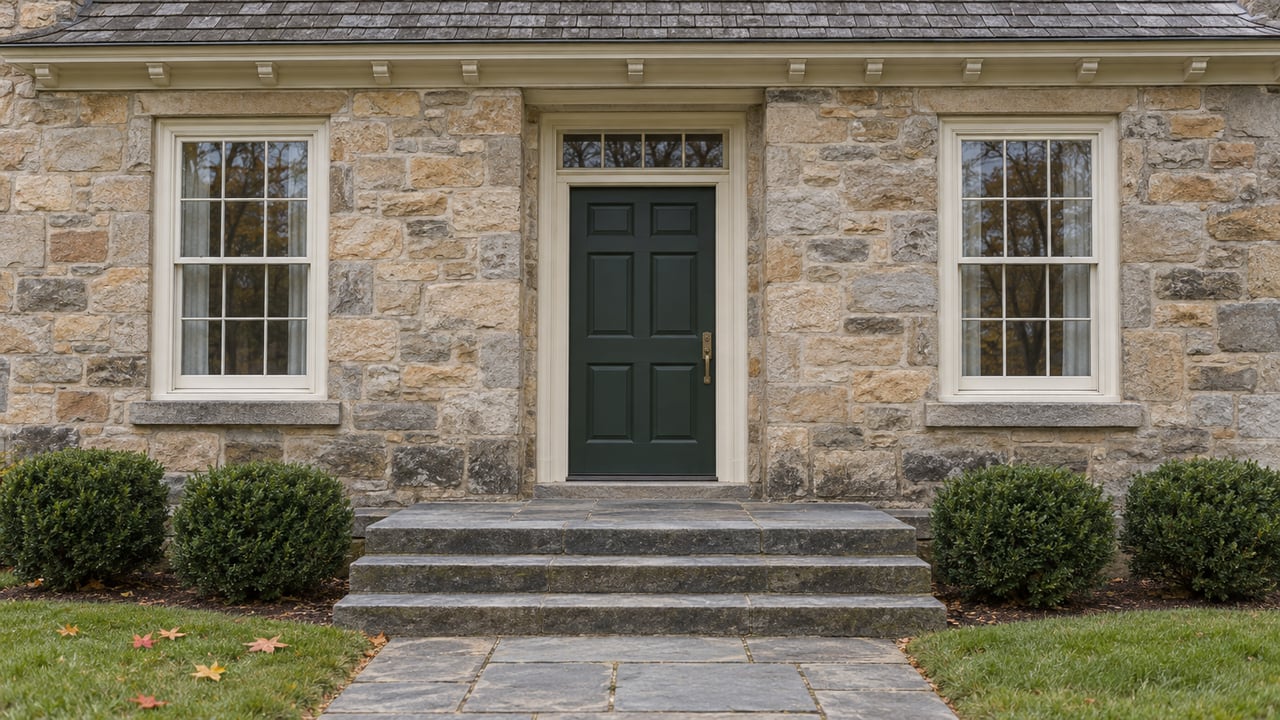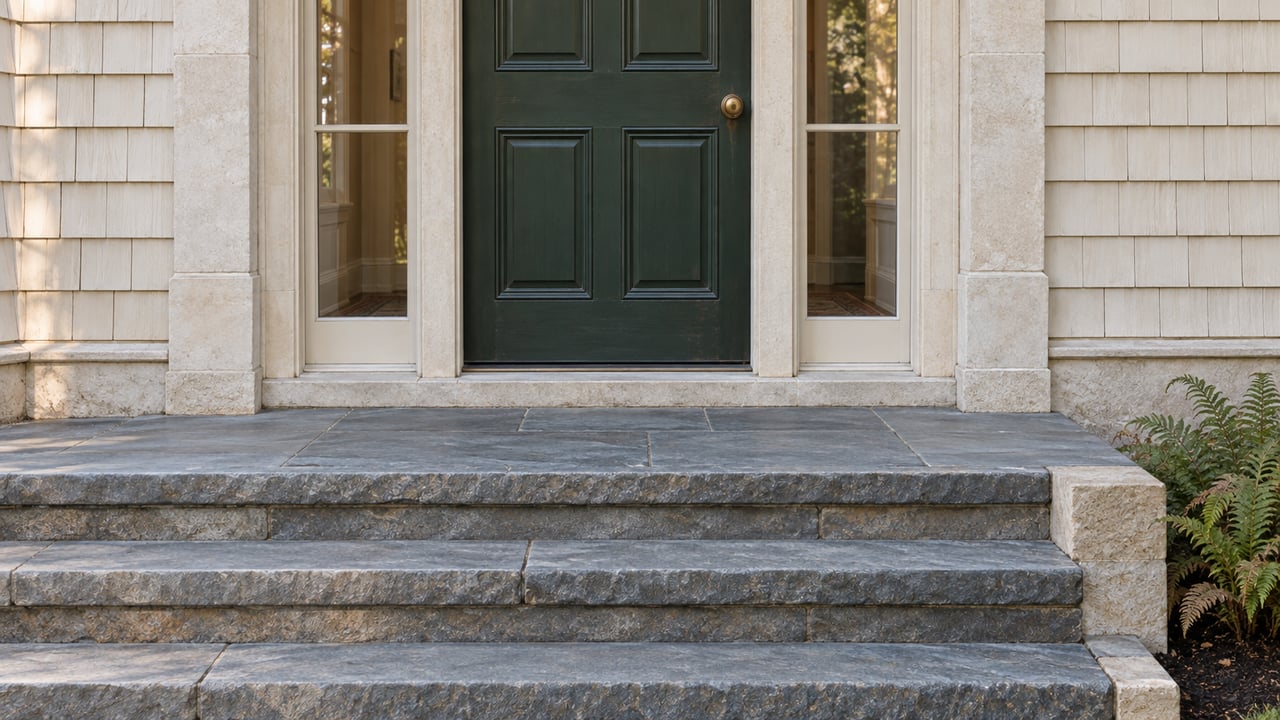
A grand Tuxedo Park estate is a rarity. You want to honor its history while meeting the standards of today’s NYC buyer who expects beauty, function and confidence in the details. With the right plan, you can protect character, move through local reviews smoothly, and present a home that feels turnkey and special. This guide walks you through what to do, in what order, to sell with ease. Let’s dive in.
Why Tuxedo Park’s rules matter
Tuxedo Park is a planned Gilded Age enclave known for architect‑designed houses and landscape features, recognized on the National Register of Historic Places. That prestige comes with a clear local review process. The Village maintains Architectural Design Guidelines and a Board of Architectural Review (BAR) that evaluates exterior work requiring a permit. The BAR reviews alterations, additions, site work and new accessory structures to ensure they fit the setting.
If you plan any visible changes before listing, factor in BAR timing from the start. Meet the Building Department or BAR for a pre‑application conversation, then prepare a complete submittal. The Design Guidelines favor sensitivity to site, scale and original features. Engaging early helps you avoid delays, costly reversals, or buyer doubts later.
A preservation‑first plan that sells
The most successful sales in historic communities balance authenticity and ease. Use the Secretary of the Interior’s Rehabilitation Standards as your guide: repair rather than replace, keep character‑defining features, and make new work compatible yet clearly new. You can reference the Standards directly in NPS guidance and plan upgrades that support value without erasing history.
Start with safety and systems
Today’s buyers value clean inspections and efficient systems. Focus first on:
- Electrical service and safety wiring.
- Heating, cooling and ventilation performance.
- Septic, well or sewer compliance.
- Roof, drainage and moisture control.
- Structural integrity.
The National Park Service outlines ways to add HVAC, insulation and efficiency while protecting historic fabric in its preservation by topic resources. Getting this work done early reduces objections, broadens mortgage options and eases appraisal concerns.
Kitchens and bathrooms: light modernization
Keep original room proportions when possible. Update systems and surfaces for daily use, but retain or restore millwork, floors and built‑ins that define the home. Choose sympathetic materials and reversible interventions so future owners can maintain the story of the house. Photograph and document the work for your listing package.
Tax incentives in New York: what applies
It is common to ask about tax credits. The federal 20 percent rehabilitation tax credit is for income‑producing properties and typically does not apply to owner‑occupied primary residences. New York State offers a Historic Homeownership Rehabilitation Tax Credit for qualifying owner‑occupied properties. Review eligibility with the State Historic Preservation Office early using the NYS homeowner credit overview and the Department of Taxation and Finance guidance for Form IT‑237. Confirm whether any documentation can transfer to a buyer and balance timelines so your marketing is not delayed.
Disclosures and environmental checks
For houses built before 1978, federal law requires you to provide buyers with the EPA lead hazard pamphlet and related disclosures, and to allow time for lead inspection before contract. You can read the EPA’s plain‑language overview of buyer information here. If you plan renovations that disturb painted surfaces, hire contractors certified under the EPA’s Renovation, Repair and Painting (RRP) Rule and follow lead‑safe practices. See the EPA’s RRP program summary for contractors here.
Many estates also carry questions about asbestos, underground oil tanks, radon, wetlands or past remediation. Order tests where appropriate and keep clear records. In Tuxedo Park, include any BAR pre‑application notes or approvals in your disclosure packet to reduce contingency risk.
Stage the scale with intention
Historic estates have generous rooms that can read as overwhelming if they are empty or furnished with undersized pieces. Staging helps buyers understand how to live in the house and can support a stronger sale. Industry research from the National Association of REALTORS® summarizes these benefits in its staging field guide.
Furnish for grand rooms
- Respect scale. Use larger groupings to create distinct zones such as a fireside conversation area, a music corner or a library nook.
- Define circulation. Clarify pathways around mantels, built‑ins and views to terraces or lakefronts.
- Keep character visible. Highlight paneled rooms, stair halls, decorative ceilings and original floors with minimal, well‑placed pieces.
- Layer lighting. Mix period‑sensitive fixtures with warm accent lighting to make rooms feel welcoming in photos and at twilight showings.
- Neutral base, curated accents. Simple textiles and light walls let buyers imagine their own art, while a few tasteful objects signal lifestyle.
Visual assets that matter
- Professional architectural photography that respects proportions and sightlines.
- Drone and exterior shots that show relationship to lake or landscape when applicable.
- Accurate floor plans that confirm room sizes and flow.
For estates, full or partial physical staging generally outperforms vacant rooms. Virtual staging can support early marketing, yet buyers respond best to real scale in person.
Tell the story: your seller’s history pack
Design‑driven buyers care about provenance. A well‑organized “history pack” builds trust, frames value and makes due diligence easier. Include:
- Chain of title, surveys and any ALTA map.
- The National Register nomination for Tuxedo Park from NPGallery, plus any Tuxedo Historical Society material.
- Plans or measured drawings; permit history and BAR approvals.
- Invoices for roof, slate, plaster, windows, mechanicals and conservation work.
- Maintenance records for boiler or HVAC, generator, water treatment and septic.
- Environmental reports and disclosure forms.
- Any Historic Structure Report, which organizes history and condition, described by the NPS here.
- Recent inspections and any energy audit.
Package a short narrative on architect, era, major restorations and notable features, along with floor plans and a select set of photographs. Keep it clean, visual and easy to share as a PDF.
Market positioning and timing for NYC buyers
High‑end buyers for Tuxedo Park often split time between Manhattan and the Hudson Valley. They value architecture, privacy and a home that feels mechanically confident. Lead your marketing with provenance, landscape and a clear summary of systems upgrades.
Luxury listings are less tied to strict seasons, but timing still matters. Plan a pre‑market phase for broker previews, complete professional visuals and design a focused weekend showing calendar. Have BAR approvals or documented pre‑application in hand before you launch to reduce contingencies. You can review the Village’s process in the Design Guidelines.
Build the right team and timeline
A strong team and orderly sequence will save time and increase your net.
- Core team: listing broker with Tuxedo Park luxury experience, preservation architect, structural and mechanical engineer, RRP‑certified contractors for paint‑disturbing work, professional stager and photographer with architectural and drone skills, and a real‑estate attorney familiar with historic assets.
- 90–180 days out: assemble documentation, order surveys and inspections, consult the BAR, and scope permitted repairs and key upgrades.
- 60–120 days out: complete systems work and sensitive interior repairs, confirm staging plan, schedule photography and floor plans.
- 30–45 days out: finalize staging, shoot photo and video, prepare the seller’s history pack, and host broker previews.
Leaning on a preservation architect for a quick pre‑listing review can reveal small, high‑impact fixes and clarify what is character‑defining versus embellishment.
Common pitfalls to avoid
- Removing or covering original features without BAR review.
- Starting visible exterior work before permit or BAR consultation.
- Skipping lead or other environmental disclosures.
- Listing before key repairs, inspections or documents are complete.
- Presenting large rooms empty or under‑furnished, which confuses scale.
A careful, preservation‑first approach gives today’s buyer confidence while protecting the soul of your home. If you are ready to position your estate for the New York market, start a confidential plan with Elizabeth Broderick. Together you can balance character, compliance and presentation for a result that feels both respectful and modern.
FAQs
What is the Tuxedo Park BAR and how does it affect exterior work before selling?
- The Village’s Board of Architectural Review evaluates permitted exterior changes for compatibility with community character, so consult and submit early to avoid delays.
How can you modernize a historic kitchen or bath without losing character?
- Keep the original room proportions, update systems and surfaces, and use reversible, sympathetic materials while preserving notable millwork and finishes.
Do New York historic tax credits apply to owner‑occupied Tuxedo Park homes?
- The federal credit targets income‑producing properties; some owner‑occupied homes may qualify for New York’s Historic Homeownership Rehabilitation Credit, subject to state rules.
What lead paint rules apply when selling a pre‑1978 estate in New York?
- You must provide EPA lead disclosures and allow inspection time; use RRP‑certified contractors for any renovation that disturbs painted surfaces.
Should you stage a vacant Tuxedo Park estate for sale?
- Yes; full or partial staging helps buyers grasp scale and use, supports photography and can shorten days on market according to industry research.
What documents should you prepare before listing a historic home?
- Assemble a “history pack” with title, surveys, BAR approvals, plans, invoices, maintenance records, environmental reports, inspections and a concise provenance narrative.