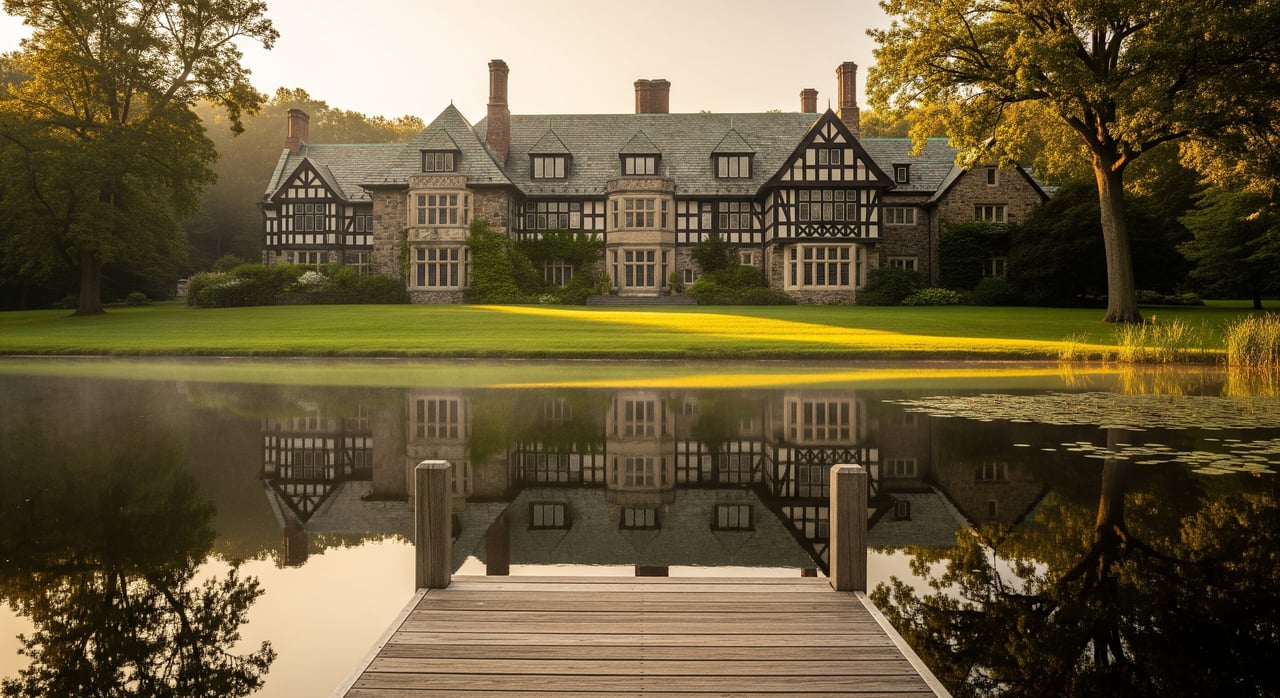
If the glow of early sun on still water speaks to you, Tuxedo Park tends to answer. Here, mornings rise with mist over three private lakes, light filters through old hardwoods, and stone walls hold the day’s warmth. You may be weighing a move or a second home that gives you both privacy and a connection to nature within reach of New York City. This guide gives you a clear picture of daily life, the landscape, the architecture, and the practicalities that shape living in Tuxedo Park so you can decide if it fits your lifestyle. Let’s dive in.
Tuxedo Park at a glance
Tuxedo Park is a small village in the Town of Tuxedo, Orange County, within the New York metropolitan area’s Mid‑Hudson region. It began in the late 19th century as a planned private enclave and resort, a history that still guides its lanes, lakes, and architecture. Many roads and shared landscapes reflect that origin, contributing to a quiet, residential setting with limited through-traffic. Significant areas of the village are historically recognized, and local preservation rules may influence exterior changes and new construction.
Lakes and light, every day
Water sets the rhythm. Lakeside mornings can bring faint fog, mirror-like reflections, and the light call of waterfowl across the coves. As the sun climbs, the woodland canopy softens edges and keeps afternoons calm even in summer. Winter brings bright, low light on stone and snow, while evenings settle with long silhouettes of old trees and slate roofs.
Trails and seasonal life outdoors
Woodland lanes, informal walking routes, and private roads invite you to stroll, jog, bike, or cross-country ski when snow falls. Access to specific lakes, docks, beaches, and trails varies by property ownership, association rules, and private clubs, so you will want to confirm what comes with a given home. Summer tends to center on boating and lakeside time. Fall’s foliage makes every walk feel cinematic, winter is quiet and crisp, and spring returns with understory blooms and migrating birds.
Architecture that tells a story
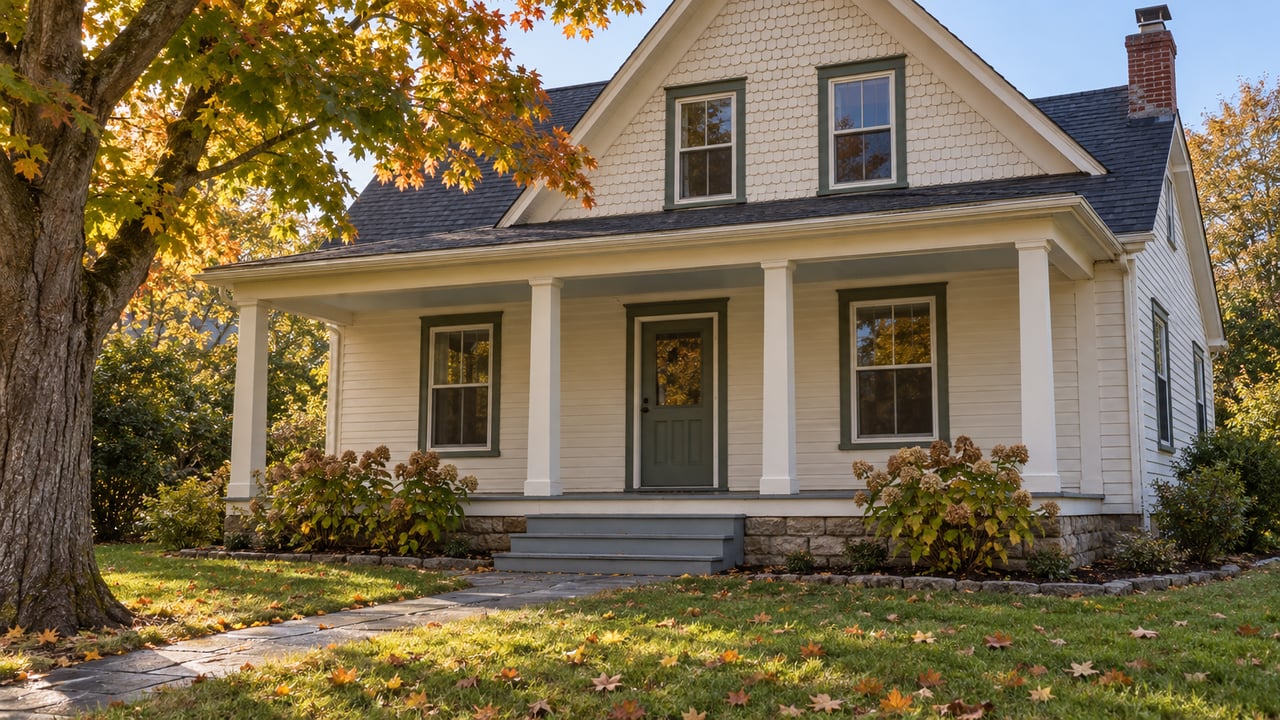
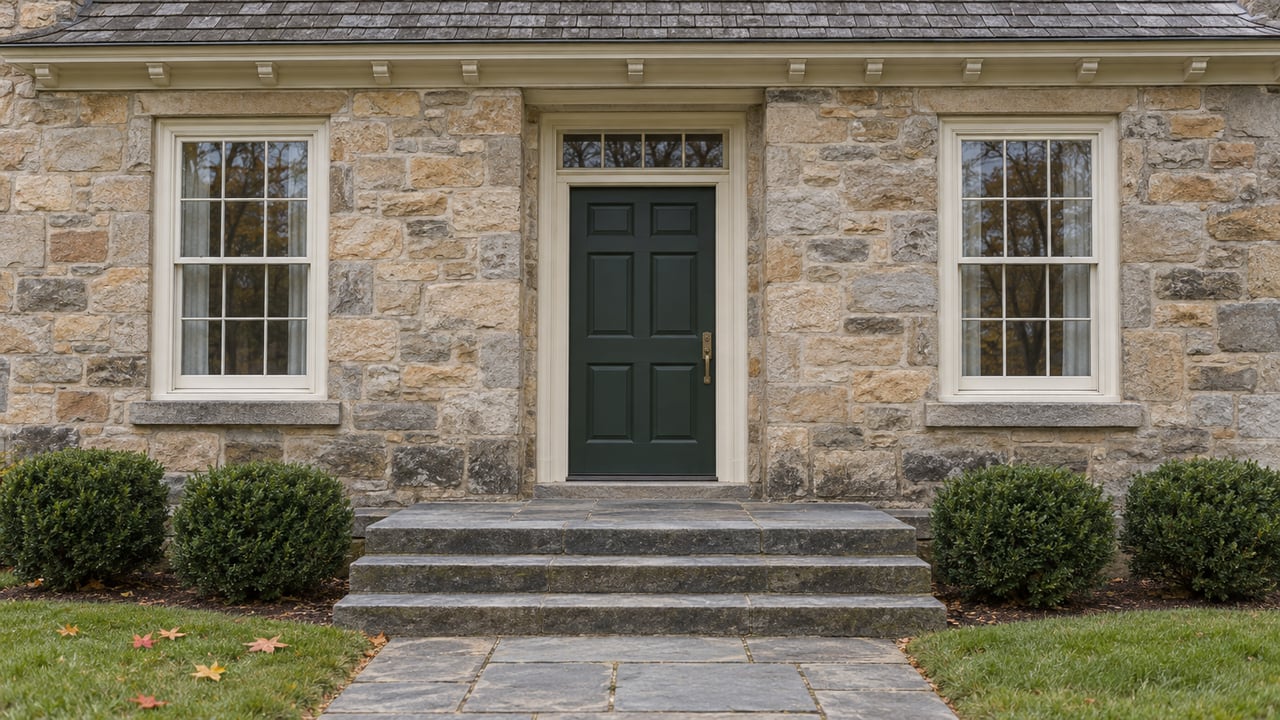
The village’s built environment reflects its Gilded‑Age roots. You will see large wood and stone houses set into the landscape with intention, often screened by mature trees and framed by historic walls and terraces. The mix of styles gives the community its depth and texture.
Shingle Style warmth
Shingle Style homes favor organic forms, broad porches, and shingle-clad volumes that merge with the terrain. The material palette sits comfortably beside lake water and woodland, creating a simple, understated elegance.
Tudor Revival presence
Tudor Revival residences pair half-timbering and stone with steep rooflines and sculpted chimneys. They read as solid and crafted, echoing old-world detailing that suits the forested setting.
Arts and Crafts integrity
Arts and Crafts houses emphasize handwork and honest materials. Stone foundations, wood beams, and leaded windows invite close looking and reflect the era’s focus on craft.
Colonial Revival balance
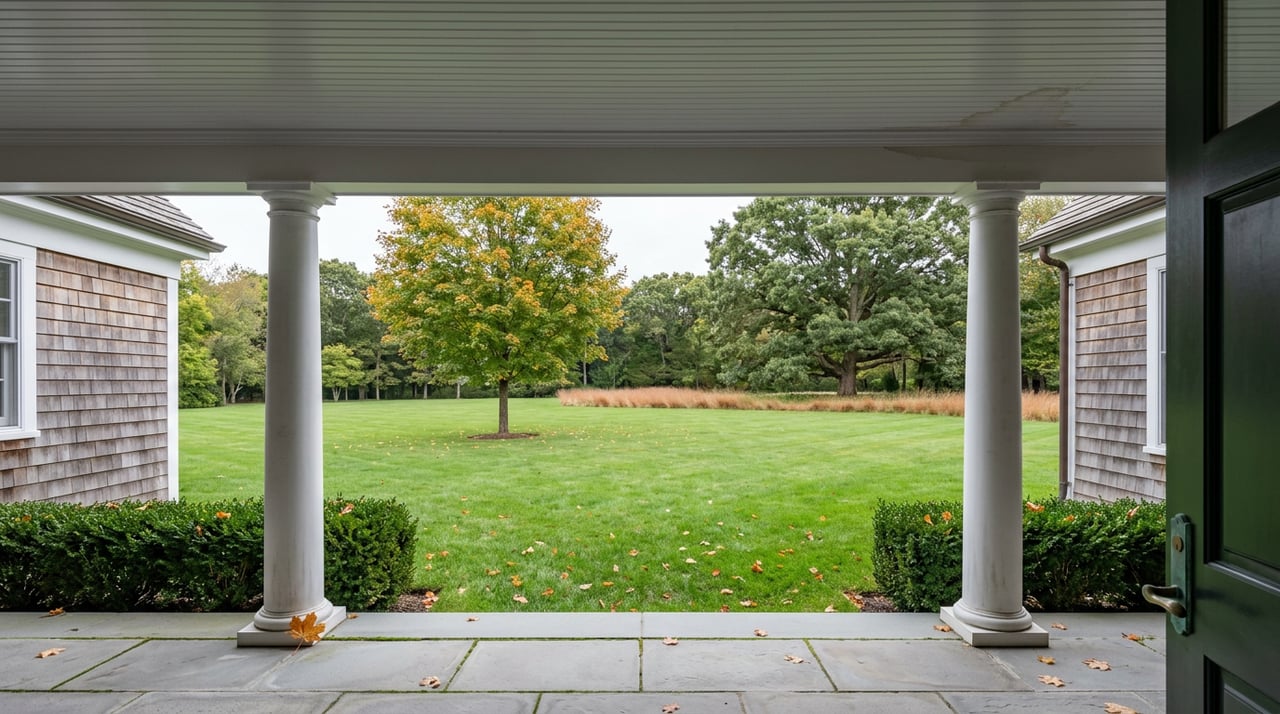
Colonial Revival forms bring symmetry and proportion. Many were sited to capture views through trees toward water or hillside, a hallmark of the village’s original planning.
Planned layout and a sense of privacy
Curving roads, strategic siting, and a blend of shared landscapes with private parcels create a feeling of space rare this close to the city. Historic gates, lodges, and outbuildings like carriage houses contribute to the architectural vocabulary. Many community amenities have origins in private clubs, and that heritage translates to a quiet streetscape and limited public access in certain areas. For any specific property, confirm what is private, what is shared, and what is membership-based.
Access and what is private
Ownership and use of lakes, shorelines, roads, and recreational facilities vary. Some areas are privately managed by community organizations or clubs, and many amenities are for members or village residents only. If access to a dock, a beach, or a boathouse matters to you, verify the rules and any dues or assessments tied to the property you are considering. This clarity helps you align daily life with your expectations.
Everyday practicalities
Tuxedo Park is residential and relatively quiet. Daily errands often involve a short drive to nearby towns for groceries, medical care, and broader retail or dining. The village is served by regional school districts and municipal services through the Town of Tuxedo and Orange County; for current details on enrollment, transportation, and utilities, consult the appropriate offices. In winter, plan for snow management on longer driveways and consider vehicles that handle hills and ice well.
Commute and regional connections
Tuxedo Park lies within commuting distance of New York City. The region is served by the Port Jervis commuter rail line, operated by NJ Transit with Metro‑North involvement. Service levels and travel times change, so check current schedules before you plan your commute. Driving via regional state routes and interstates is common for errands and weekend plans, and parking availability at rail stations should be verified.
Owning a historic home: what to expect
Many homes in Tuxedo Park are historic or architecturally significant. This is part of the appeal, and it carries responsibilities and costs you should budget for from day one.
- Specialized maintenance. Roofing, masonry, and woodwork often need skilled trades. Mechanical upgrades, energy improvements, and septic or sewer considerations can be more involved than in newer construction.
- Preservation review. In historic areas, exterior changes, additions, or demolitions can be subject to local design review. Understanding guidelines early helps you plan renovations.
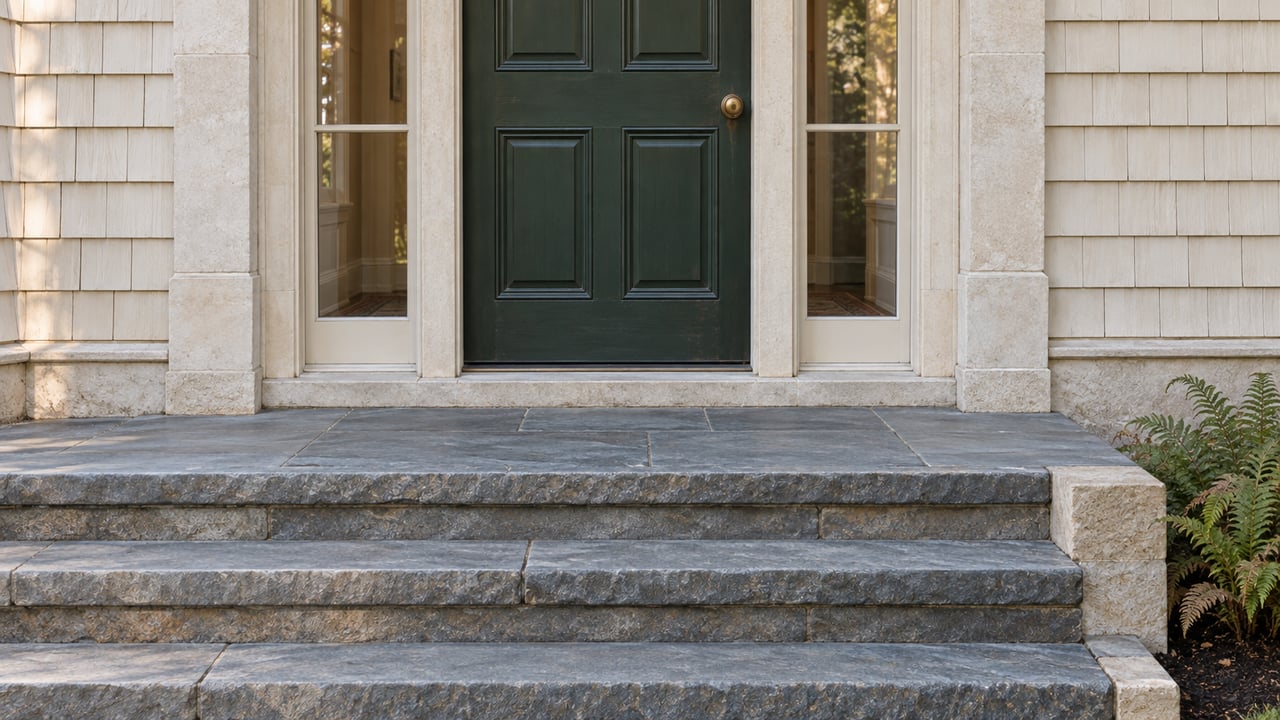
- Landscapes and driveways. Mature trees, stone walls, long drives, and hillside siting create beauty and require seasonal upkeep and snow removal.
- Private amenities. Lake access, docks, and club facilities may involve separate dues, rules, or assessments tied to ownership.
- Taxes and assessments. Property taxes vary by parcel and jurisdiction. Confirm current rates and recent assessments with the relevant offices.
Market character and buyer profiles
Inventory in Tuxedo Park is often limited and leans toward architecturally distinctive properties, from large estates to carefully sited smaller houses. Buyers are typically drawn by privacy, design pedigree, and proximity to the city. Sellers value stewardship and marketing that honors provenance and context.
You may be a good fit if you value:
- Water and woodland light as a daily companion.
- Architectural character that reflects craft and history.
- Quiet, residential routines with easy access to trails and seasonal outdoor life.
- A pragmatic approach to maintenance, preservation, and the rules that protect the village’s character.
How we help you live the story
Tuxedo Hudson Realty is built around the idea that property is inseparable from landscape and history. We curate architecturally significant homes, lake houses, and land with storytelling, preservation-minded advice, and hospitality-grade presentation. Our compact team brings local authority, municipal fluency, and relationships that enable selective introductions and, when appropriate, off-market opportunities.
For buyers, we help you align lifestyle priorities with the realities of access, maintenance, and membership so your lake and light moments are effortless. For sellers, we frame provenance and craftsmanship to reach design-conscious audiences and steward your property’s next chapter. When you are ready to explore, connect with Elizabeth Broderick to begin a tailored search or a thoughtful listing plan.
FAQs
Is Tuxedo Park a gated, private community?
- Historically, parts of Tuxedo Park have gated entrances and private roads; current access practices vary by entry point and time, so verify details with village officials.
Can non-owners use the lakes and club facilities in Tuxedo Park?
- Many lakefront areas and club amenities are private and membership-based; access depends on property ownership and specific club or association rules.
What is the commute from Tuxedo Park to New York City like?
- The region uses the Port Jervis commuter rail line and regional highways; service levels, travel times, and station parking vary, so check current schedules and conditions. The commuter train line leads to Secaucus and Hoboken, where you can change trains to Penn Station or the Path. Busses are also available.
How are schools and municipal services handled in Tuxedo Park?
- The village is served by regional school districts and municipal services through the Town of Tuxedo and Orange County; confirm up-to-date information with the relevant offices. The Tuxedo Park School, a private school inside the Village of Tuxedo Park, and other private schools available within a short drive that offer bussing services to Tuxedo Park.
Are shops and dining walkable in Tuxedo Park?
- The village core is small and residential; most routine errands and broader dining or shopping options require a short drive to nearby towns.
What should I budget for maintaining a historic home in Tuxedo Park?
- Plan for above-average costs related to specialized trades, roofing and masonry, mechanical upgrades, landscaping, snow removal, and any preservation reviews or assessments tied to amenities.