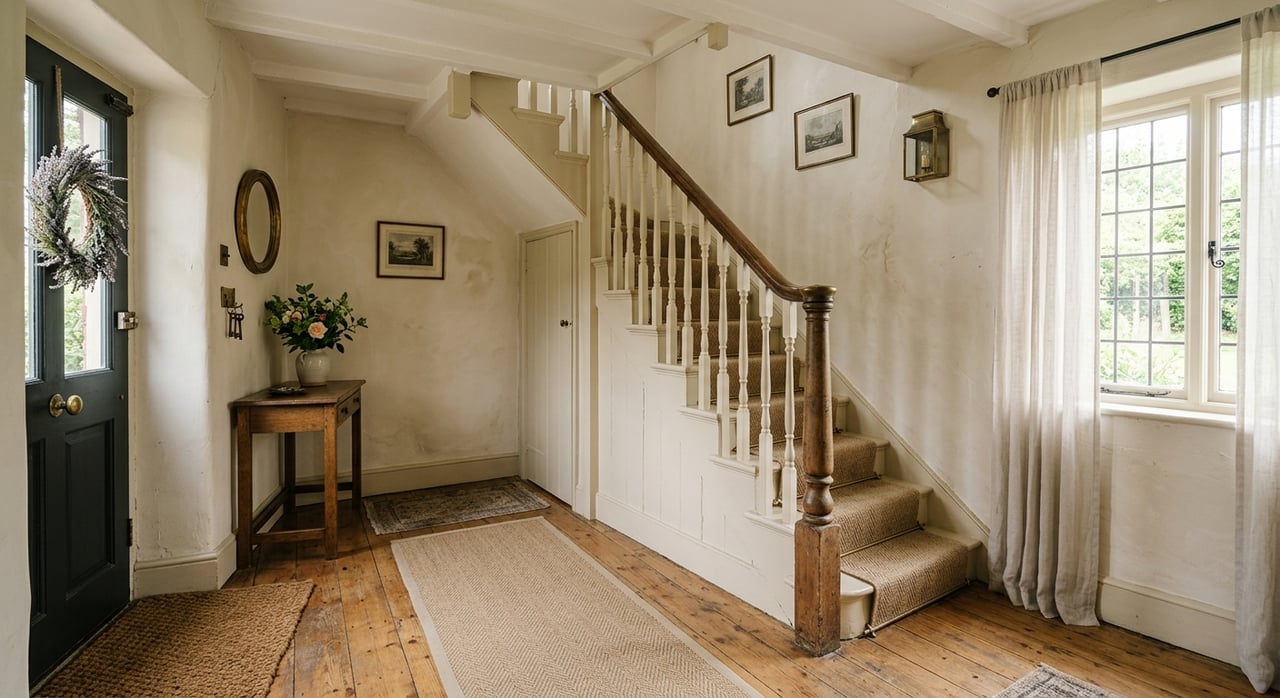
If you are selling a historic cottage in Thousand Island Park, you are not just preparing a house for market. You are also passing along a piece of a long-standing river community shaped by preservation, seasonal rhythm, and shared institutions. That can make the process feel more layered than a typical sale, but it also creates an opportunity to present your cottage with the care and context it deserves. Let’s dive in.
Why Thousand Island Park sales are different
Thousand Island Park sits at the southern tip of Wellesley Island in the Town of Orleans and traces its roots to 1875, when it began as a Methodist campground. Over time, the early tent colony grew into a village of cottages, including Victorian Gothic and Queen Anne homes, and the historic district was later listed on the National Register in 1982. You can see that long arc of development reflected in the Park’s architecture and community identity, as described by the Thousand Island Park Corporation and National Register materials.
That history matters when you sell. In Thousand Island Park, buyers are often responding not only to a cottage’s layout and condition, but also to its setting, its architectural character, and its place within a preserved district. The Park’s own preservation language, along with the role of institutions like the Tabernacle, Library, Pavilion, and Guzzle, supports a sale approach centered on stewardship and continuity rather than simple square-foot metrics.
Start with the lease transfer process
One of the most important parts of selling in Thousand Island Park is understanding that the transfer is centered on a lease assignment process. According to the lease transfer requirements published by the Thousand Island Park Corporation, cottage site leases typically run 99 years, while boathouse site leases are often 5 or 10 years.
That means a clean closing depends on more than the expectations sellers may have from a standard deed transfer elsewhere. The Corporation states that transfers are handled through an Assignment of Lease, and sellers are instructed to provide all prior original lease documents at closing. It also notes that the Corporation does not guarantee marketable title and recommends using a local realtor and attorney.
Gather documents early
If you want to avoid delays, start organizing records well before your cottage goes live. The Corporation’s checklist makes clear that original paper documents matter, and both the Request for Lease Transfer and Assignment of Lease materials must be submitted as originals, not just digital copies, as outlined on the lease transfer forms page.
The required package may include:
- Request for Lease Transfer
- $200 per parcel fee
- Assignment of Lease forms in duplicate and notarized
- TP-584
- RP-5217 within 30 days
- Cottage Safety Compliance Certification Form 1-A with electrical inspection
- Leaseholder contact form
Depending on the property, additional items may also be needed, such as:
- A survey
- Mortgage acknowledgement
- Boathouse addendum
- Entity documents
- Estate paperwork
If your cottage has been in the family for years, this early paperwork review can be especially valuable. Missing lease documents or unresolved ownership records can slow a transaction that otherwise might have moved smoothly.
Prepare the cottage with preservation in mind
In a place like Thousand Island Park, smart pre-sale preparation is rarely about making a historic cottage look new. It is about helping buyers see the home’s character, condition, and integrity clearly.
The historic preservation guidance from the Thousand Island Park Corporation explains that if a project changes the exterior appearance of a cottage, a Preservation Permit is required before work starts. The Corporation asks for street-view and close-up photos, recommends architect drawings for larger projects, and states that the fee is 1% of estimated construction cost, with a $10 minimum and $450 maximum.
Focus on visible character-defining details
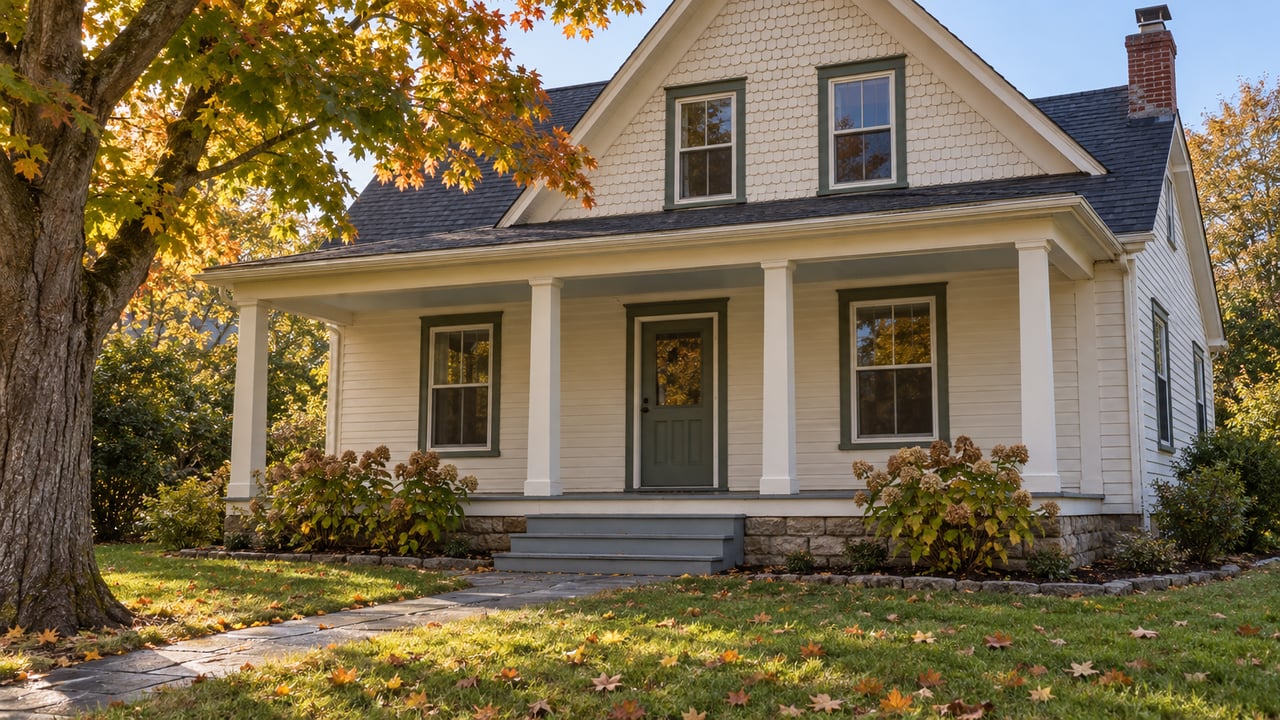
Before listing, it helps to review the elements that most strongly shape first impressions. The Thousand Island Park Preservation Handbook treats porches, windows, shutters, siding, and overall cottage form as integral parts of the Park’s historic character.
That makes these details especially important in listing photos and showing preparation:
- Porch condition and detailing
- Original trim and woodwork
- Window proportions and configuration
- Siding material and repair quality
- Roofline and exterior massing
- Shutters and other visible architectural features
Porches deserve special attention. The handbook notes that porches, verandas, and piazzas are almost universal in the Park and should be retained where historically accurate. It also states that replacement pieces should match original materials and dimensions, and that year-round enclosure of a front porch is not acceptable.
Know what repairs may require review
Even simple cosmetic work can become more complex if it affects exterior appearance. The Cottage Owners’ Manual says that building or work permits must use materials that match original or existing materials, and exterior changes require Preservation Board review and approval.
The same manual explains that Thousand Island Park is a private residential community, not a municipality, so its rules apply in addition to state and local laws. Depending on the scope of work, additional permits may also be needed from state, county, DEC, Army Corps, or the Town of Orleans. If you are considering exterior touch-ups before selling, build in time to confirm what is allowed.
Avoid over-improving before listing
Historic cottages often benefit from restraint. Buyers looking in Thousand Island Park may value original fabric, well-maintained details, and a truthful presentation more than broad, generic updates.
The preservation guidance supports that approach. The handbook states that most cottages are wood-frame structures with materials such as clapboard, board and batten, wood shingles, and novelty siding, and that vinyl and aluminum siding are generally prohibited except for matching repairs to existing synthetic siding. Windows and shutters are also treated as essential to the design of each cottage, so replacing them without regard to proportion or material can work against the home’s appeal.
If you are unsure where to spend money before listing, start with maintenance, safety, and presentation. A sound porch, working systems, orderly paint surfaces, and clean documentation usually do more for buyer confidence than rushed alterations that may require approval or compromise historic character.
Tell the cottage’s story well
In Thousand Island Park, provenance can deepen buyer interest. The Park’s history is unusually well documented, and the Landmark Society notes that owners can research cottage or boathouse history through its updated National Register project and Resource Center.
That gives you a meaningful way to market your property with care. If you can identify a build period, architectural style, notable historic features, or documented evolution over time, that context can help buyers understand what makes the cottage distinctive.
Use context, not just features
Instead of presenting your cottage as a checklist of rooms and updates, shape the sale around a fuller picture of place. A screened porch, original siding profile, or long-held family stewardship may matter more when framed within the Park’s larger story of preservation and summer life along the river.
This is where thoughtful listing strategy matters. A well-prepared sale in Thousand Island Park should connect the home to its setting without overstating anything, using verifiable history, accurate records, and photographs that show both character and condition.
Time your sale around the Park’s rhythm
Thousand Island Park has a clear seasonal cadence. The Corporation notes seasonal operations for places such as the Wellesley Hotel, Guzzle, and Security, while rental registration rules define the season as Memorial Day Weekend through Labor Day Weekend. The Landmark Society also notes summer-only Resource Center hours.
For many sellers, that means late spring and summer may offer the most vivid backdrop for showings. Gardens are active, porches are in use, and buyers can experience the cottage in the setting for which the community is best known. That said, timing is still a practical decision that should account for paperwork readiness, any permit review, and your own moving timeline.
Keep broader market context in perspective
County-level market data can provide background, even if it does not define Thousand Island Park directly. According to NYSAR data shared by GRAR for Jefferson County, the median sales price was $210,700 in January 2026 and $215,000 in February 2026, with months supply around 3.5 and 3.2 respectively.
Those numbers suggest a relatively active, low-inventory county backdrop at the start of 2026. But a historic cottage in Thousand Island Park should still be positioned on its own terms, with attention to lease structure, preservation context, and the specific qualities that make the property stand apart.
Create a smoother closing
The easiest way to reduce friction is to think about closing at the start of the listing process, not the end. In Thousand Island Park, that means reviewing lease records, identifying any missing originals, confirming whether past exterior work had appropriate approvals, and making sure safety compliance steps are on your radar.
It also means understanding that rehabilitation and restoration are favored over demolition. The Cottage Owners’ Manual states that demolition is strongly disfavored and that any replacement structure must meet strict historic design, size, and mass guidelines. For sellers, that reinforces a simple truth: preserving the cottage’s existing character is often central to its value story.
Selling a historic cottage in Thousand Island Park with care means balancing logistics with narrative. You are managing original lease documents, compliance forms, and timing, but you are also introducing the next owner to a home shaped by river light, porch life, and a preserved community identity. If you want strategic guidance on marketing distinctive homes with historical context and visual integrity, connect with Elizabeth Broderick.
FAQs
What makes selling a cottage in Thousand Island Park different from a typical home sale?
- The sale typically involves an Assignment of Lease process, original lease documents, and community-specific transfer requirements rather than only a standard deed-based closing.
What paperwork is required for a Thousand Island Park cottage sale?
- The transfer package may include a Request for Lease Transfer, Assignment of Lease forms, fee payment, TP-584, RP-5217, Cottage Safety Compliance Certification Form 1-A with electrical inspection, and other property-specific documents.
What exterior repairs need approval in Thousand Island Park?
- If work changes the exterior appearance of the cottage, the Thousand Island Park Corporation says a Preservation Permit is required before work begins.
Which cottage features matter most when listing a historic home in Thousand Island Park?
- Porch details, original trim, windows, shutters, siding material, and overall roofline and cottage form are among the most important visible historic features.
When is the best time to sell a cottage in Thousand Island Park?
- Late spring and summer may be strong seasons for showings because the Park’s seasonal character is most visible then, though your timing should also account for paperwork and any needed approvals.