If your ideal weekend includes textured shingles, winding roads, lake light, and houses with real architectural memory, Tuxedo Park deserves a place on your list. You may be looking for a Hudson Valley escape that feels both cultivated and quiet, somewhere that offers design interest without the pace of a resort town. This guide will help you picture how to spend a thoughtful weekend here, from historic streetscapes and lakeside views to nearby parkland and practical details that shape daily life. Let’s dive in.
Why Tuxedo Park Feels Different
Tuxedo Park was founded in 1886 on Lorillard family land, with land planner Ernest Bowditch and architect Bruce Price helping shape its early development. Within about eighteen months, the original project already had roads, a gate, a clubhouse, and three dams. Over the next thirty years, residents built more than 250 houses and stables, giving the village a strong architectural identity that still reads clearly today.
That identity is not just historical background. The village incorporated in 1952 and was listed on the National Register of Historic Places in 1980, which helps explain why the setting feels so intact. For a design-minded visitor, the appeal is the sense that landscape, infrastructure, and architecture were conceived together.
The Tuxedo Historical Society notes that the enclave’s rustic charm and rail access helped attract New York residents early on. That balance still matters now. Tuxedo Park feels tucked away, but it was never meant to feel impossible to reach.
Architecture Takes Center Stage
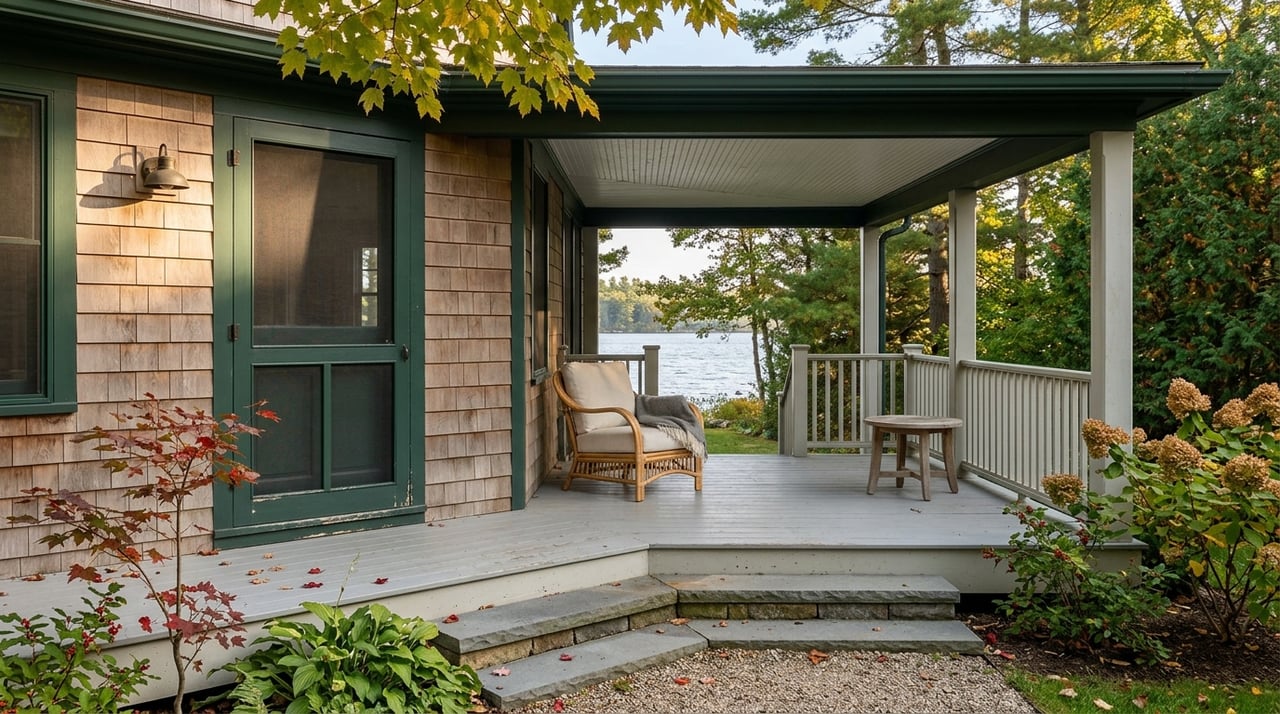
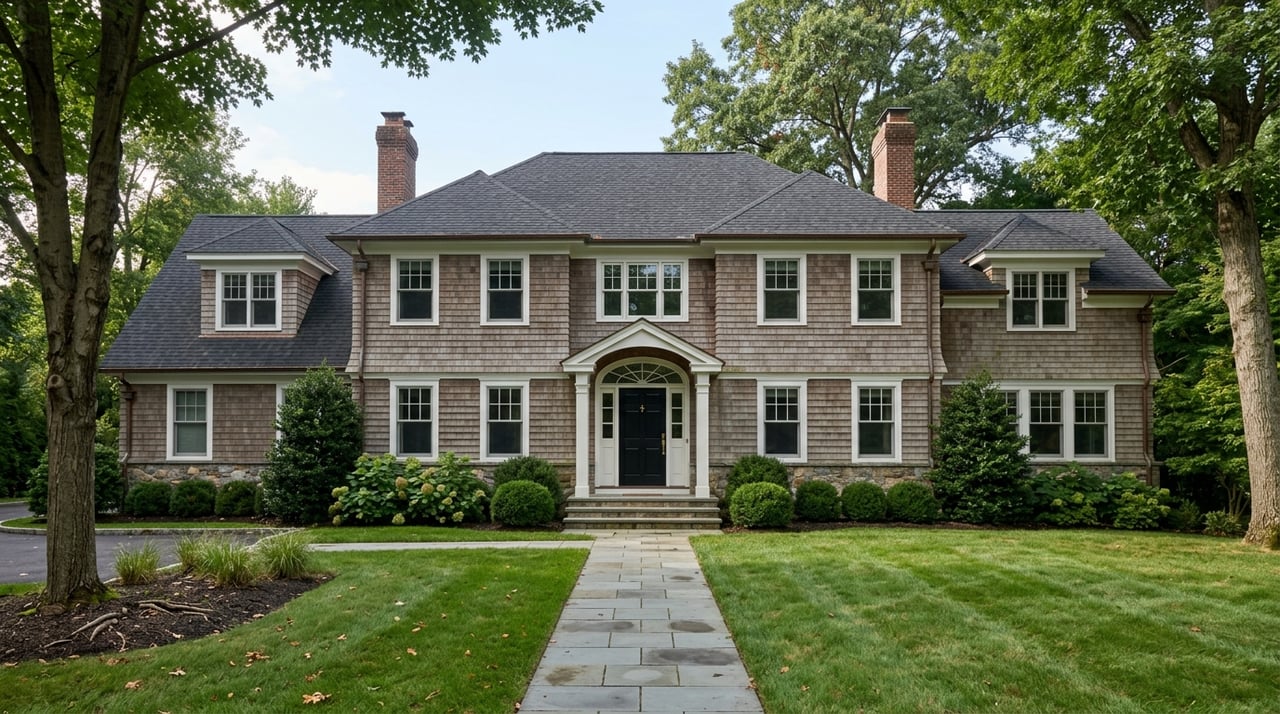
If you love houses, this is a place to slow down and really look. Bruce Price’s work in Tuxedo Park is closely associated with the Shingle Style, known for continuous shingled surfaces, irregular rooflines, and open porches that create a rustic, picturesque effect. Those details give many homes a softness and ease, even when the scale is substantial.
You can feel the difference between architecture that simply fills a lot and architecture that belongs to a landscape. In Tuxedo Park, houses often seem composed with the terrain, trees, and lake edges in mind. The result is a village that reads less like a collection of homes and more like an edited design environment.
That design culture is still active today. The village’s Board of Architectural Review evaluates new construction, additions, renovations, landscaping, and related changes against local design guidelines. The Building Department also notes that many exterior changes, along with some interior work, may require approvals.
For you as a visitor or potential buyer, that means preservation is not passive. It is part of everyday ownership. Tuxedo Park asks for stewardship, compatibility, and continuity with the historic setting.
The Weekend Rhythm in Tuxedo Park
Tuxedo Park covers about 2,050 acres and includes roughly 330 houses, three lakes, and about 340 housing units in 320 structures. That scale matters because it shapes the mood of a weekend here. You are not arriving in a busy commercial destination. You are stepping into a small, controlled, residential landscape.
The village describes itself as a gated community with its own village government, police, volunteer fire and ambulance squads, central sewage, local reservoir water, public trash collection, a resident boat club, a swim club, and miles of walking trails. Taken together, those features create a self-contained atmosphere that feels orderly and calm. It is a place for long views, quiet drives, and domestic routines.
For a design lover, that low-key pace is part of the appeal. The village invites observation rather than spectacle. You notice stone walls, tree lines, roof profiles, and the way roads bend around water and topography.
Start With the Lakes
A weekend in Tuxedo Park should begin with the water. Tuxedo Lake is the largest of the village’s lakes and serves as the village reservoir, which gives it a different role than a typical recreational lake. Swimming and powerboating are not allowed there, and recreational and fishing boat access is managed through the Village Boat Club.
That restriction helps define the experience. Tuxedo Lake is less about activity and more about atmosphere, reflection, and view. For many visitors, that quiet edge is exactly the point.
Wee Wah Lake adds a second waterfront layer to the village. The village says the Wee Wah Park & Beach Club property dates to 1932 as Wee Wah Lake and Bathing Beach, and access is now membership-based with summer swimming-season controls. If you are imagining a classic summer waterfront ritual, this is the part of the village to understand more closely.
A Simple Design-Focused Weekend Itinerary
Friday Evening Arrival
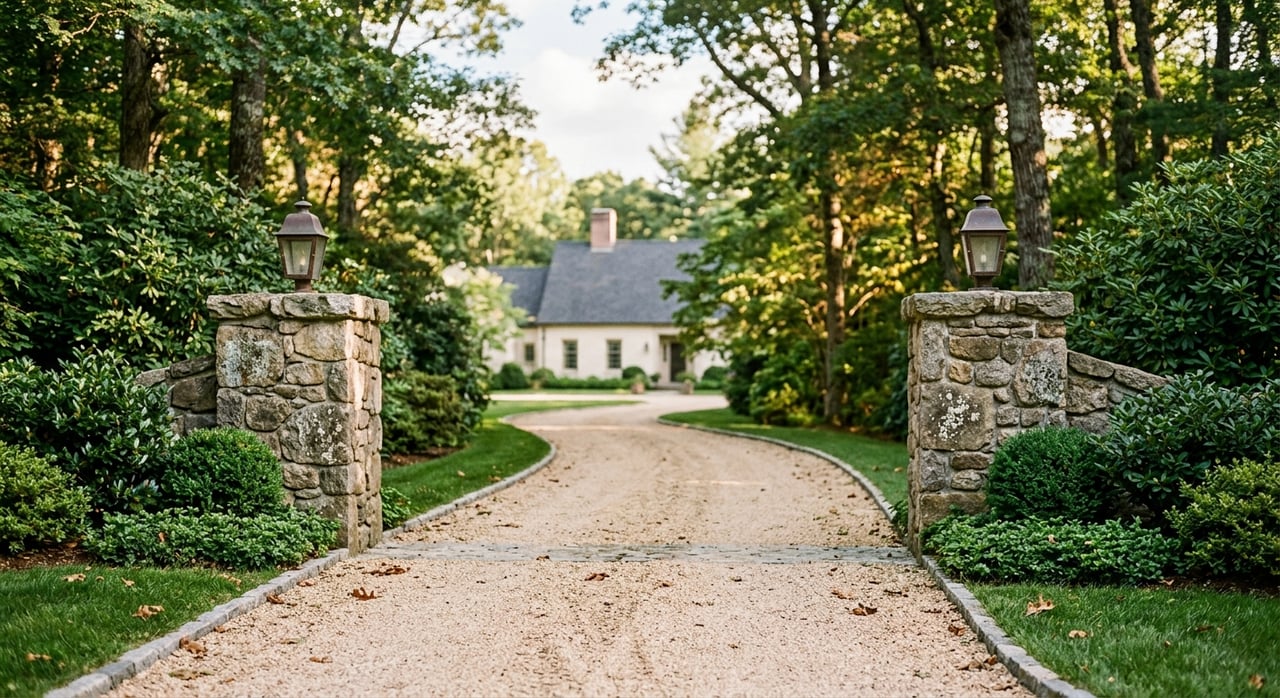
Arrive with enough daylight to notice the transition into the village. The gated setting, curving roads, and wooded approach do a lot of quiet scene-setting. Your first evening is best spent slowing down and taking in the scale of the place rather than trying to check off stops.
If you are house-hunting, this is often the right time to pay attention to setting. Notice how homes sit on their sites, how mature trees frame views, and how architecture appears through the landscape. In Tuxedo Park, the approach to a property is often part of its design story.
Saturday Morning Walk and House Watching
Use the morning for a gentle circuit focused on architecture and village texture. This is the time to notice shingles, porches, chimneys, rooflines, and the relationship between house and garden. Even without entering a home, you can begin to understand the village’s visual language.
Because Tuxedo Park remains preservation-minded, the built environment feels unusually coherent. Landscaping, walls, fences, and additions are not random afterthoughts here. That continuity is one reason the village leaves such a strong impression on design-conscious visitors.
Saturday Afternoon by the Water
Spend part of the afternoon near the lakes to understand the village’s quieter outdoor rhythm. Tuxedo Lake offers a more contemplative waterfront experience, while Wee Wah Lake and the beach club reflect a more social, seasonal side of village life. Neither reads like a high-energy vacation scene, and that distinction is important.
This is a good moment to ask yourself what kind of weekend life you want. If you are drawn to privacy, controlled access, and a sense of tradition, Tuxedo Park may feel unusually aligned. If you want constant public activity, you may find the atmosphere intentionally restrained.
Sunday: Expand Into the Wider Landscape
One of the pleasures of Tuxedo Park is the contrast between the village itself and the surrounding public parkland. After a quiet morning inside the village, you can head outward into a much larger Hudson Valley landscape. That shift gives a weekend here real depth.
Harriman State Park, located across Rockland and Orange counties, is the second-largest park in the New York State system. It features 31 lakes and reservoirs, about 200 miles of hiking trails, two beaches, two camping areas, group camps, scenic roads, and winter recreation. Sterling Forest State Park spans 21,935.08 acres and offers hiking, biking, fishing, hunting, a nature center, and a visitor center overlooking Sterling Lake.
Together, these nearby parks make it easy to shape a weekend around both design and landscape. You can spend one day reading the details of a historic village and the next day stepping into forest, trail, and broad views. Just be sure to check current conditions before you go, since official park pages note that trail closures and lake-management notices can affect access.
What Buyers Should Notice
If your visit is also a buying trip, Tuxedo Park rewards a different kind of attention. This is not a market where renovation freedom is the main story. The village notes that landscaping, tree removal, stone walls, fences, new structures, and other alterations can trigger review.
That has practical implications. You should think about ownership here in terms of stewardship as much as customization. Buyers who value architectural continuity and a carefully managed setting often see that as a strength, not a limitation.
The village’s small scale also shapes the ownership experience. With about 330 houses and a defined civic structure, Tuxedo Park feels deliberate, not expansive. If you are searching for a weekend home with historical character, commutable access, and a strong sense of place, those qualities may be exactly what you want.
Access From the City
A great weekend home works only if you can actually get there with ease. Tuxedo Park benefits from local commuter infrastructure that supports park-and-train travel. The village’s commuter page says the Town of Tuxedo operates commuter parking lots for travel on NJ Transit’s regional rail network, with connections to Secaucus, Hoboken, New York Penn Station, and PATH.
NJ Transit also lists Tuxedo Station with commuter rail service, bike racks or lockers, and ticket vending machines. For many buyers, that connection matters as much as the scenery. Tuxedo Park offers a sense of remove, but the region still supports a practical city-to-country rhythm.
Why Tuxedo Park Works for Design Lovers
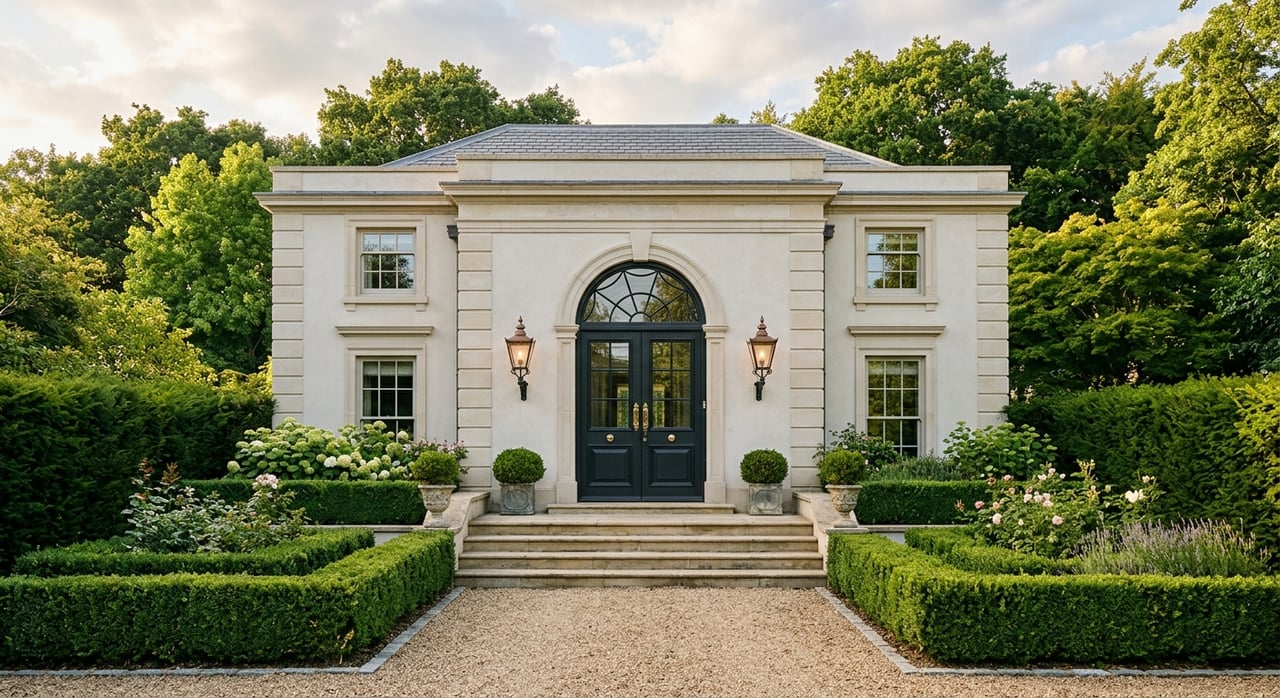
Some places are visually attractive, but Tuxedo Park offers something more specific. It has architectural pedigree, formal oversight, domestic scale, and landscape discipline. The village feels composed rather than accidental.
That is why a weekend here can be so memorable. You are not just visiting a pretty part of the Hudson Valley. You are experiencing a place where design, history, and setting continue to shape how people live.
If you are considering Tuxedo Park not just as a getaway but as a place to buy or sell, local context matters. For thoughtfully guided insight into the area’s architecturally significant homes, lake houses, and legacy properties, connect with Elizabeth Broderick.
FAQs
What makes Tuxedo Park appealing for design lovers?
- Tuxedo Park is known for its historic planning, strong architectural identity, and notable Shingle Style homes associated with Bruce Price, along with a village setting that still emphasizes preservation and design compatibility.
Can you swim in Tuxedo Lake in Tuxedo Park?
- No. The village says swimming and powerboating are not allowed on Tuxedo Lake, and recreational and fishing boat access is managed through the Village Boat Club.
Does Tuxedo Park have a beach or swim club?
- Yes. Wee Wah Park & Beach Club is a village-owned waterfront property with membership-based access and seasonal swimming controls.
Is Tuxedo Park a good weekend destination near New York City?
- For many visitors, yes. The area combines a quiet, gated village atmosphere with commuter rail access and nearby outdoor destinations such as Harriman State Park and Sterling Forest State Park.
What should buyers know about renovating in Tuxedo Park?
- Buyers should know that many changes, including landscaping, tree removal, stone walls, fences, additions, and new structures, may require local review or approvals, reflecting the village’s preservation-minded approach.
Are there outdoor activities near Tuxedo Park beyond the village?
- Yes. Nearby Harriman State Park and Sterling Forest State Park offer hiking, scenic roads, lakes, and other outdoor recreation, though you should check current park conditions before visiting.