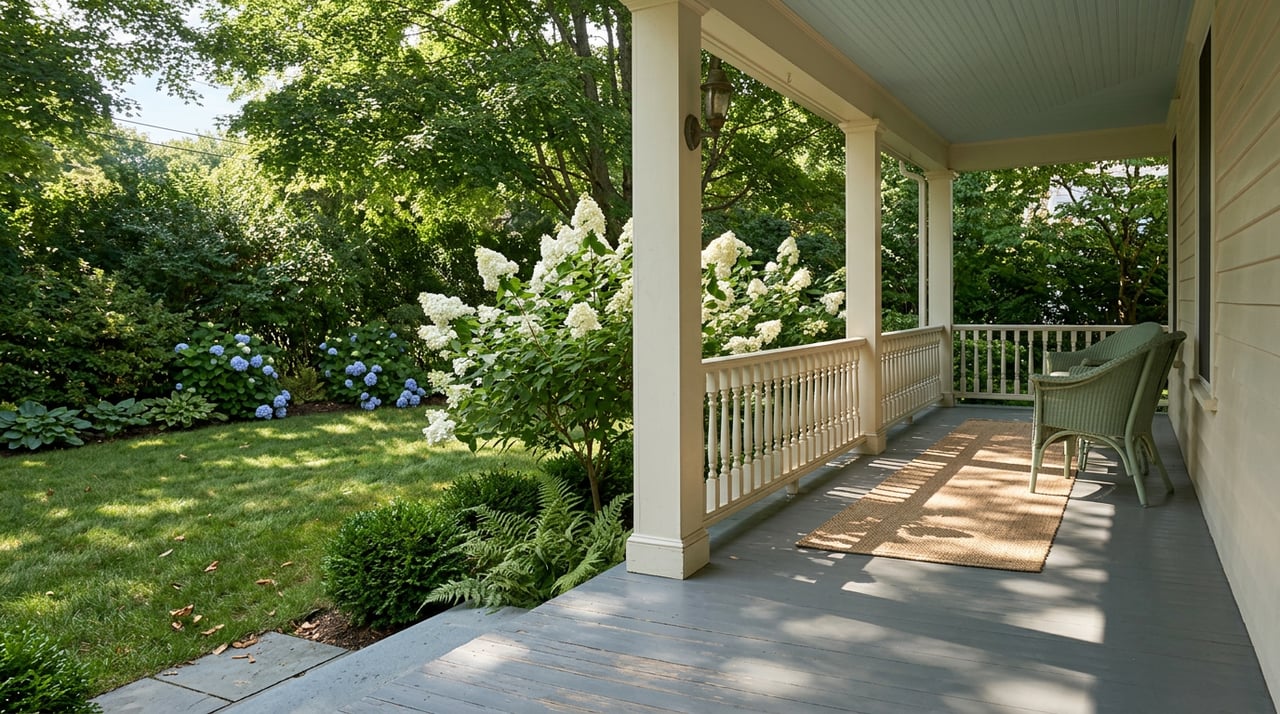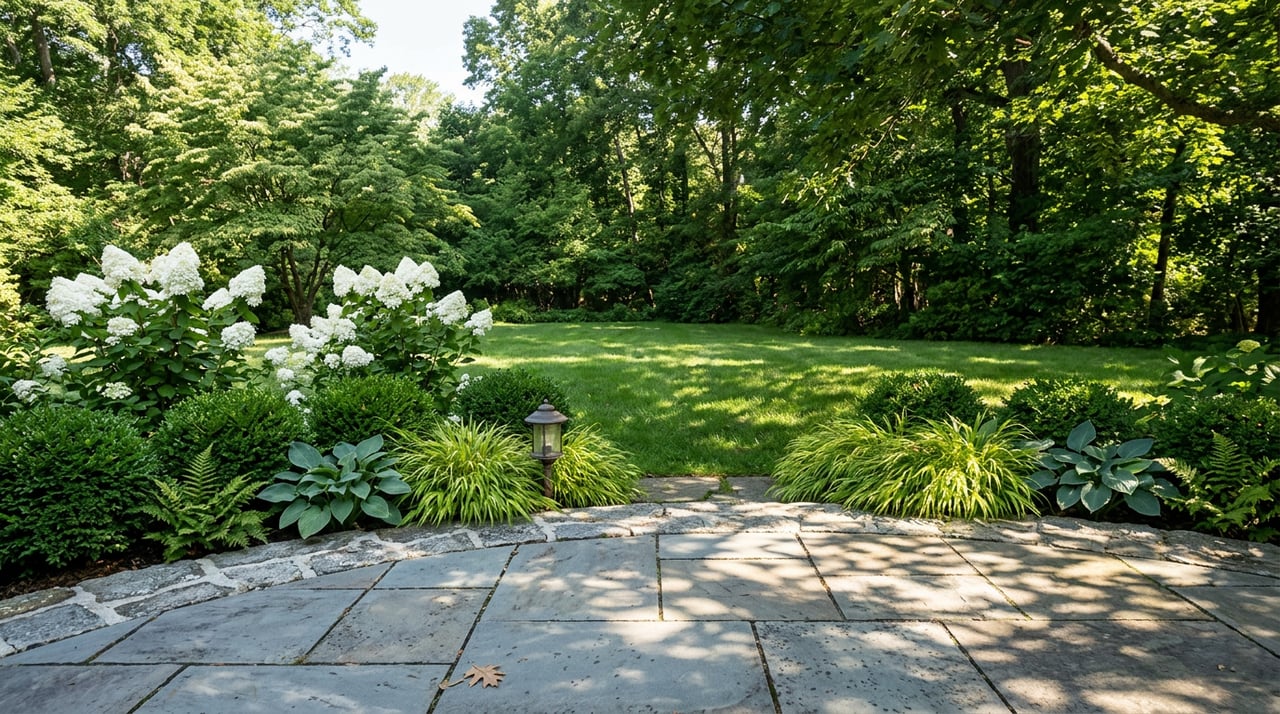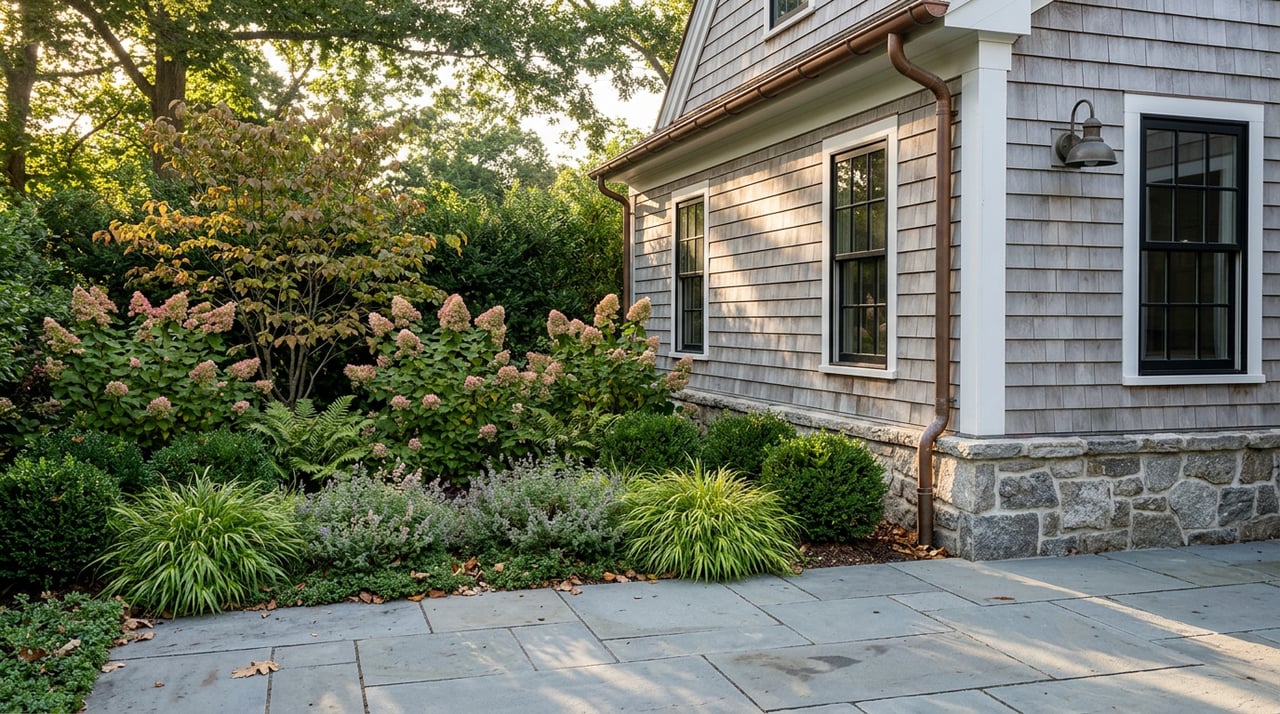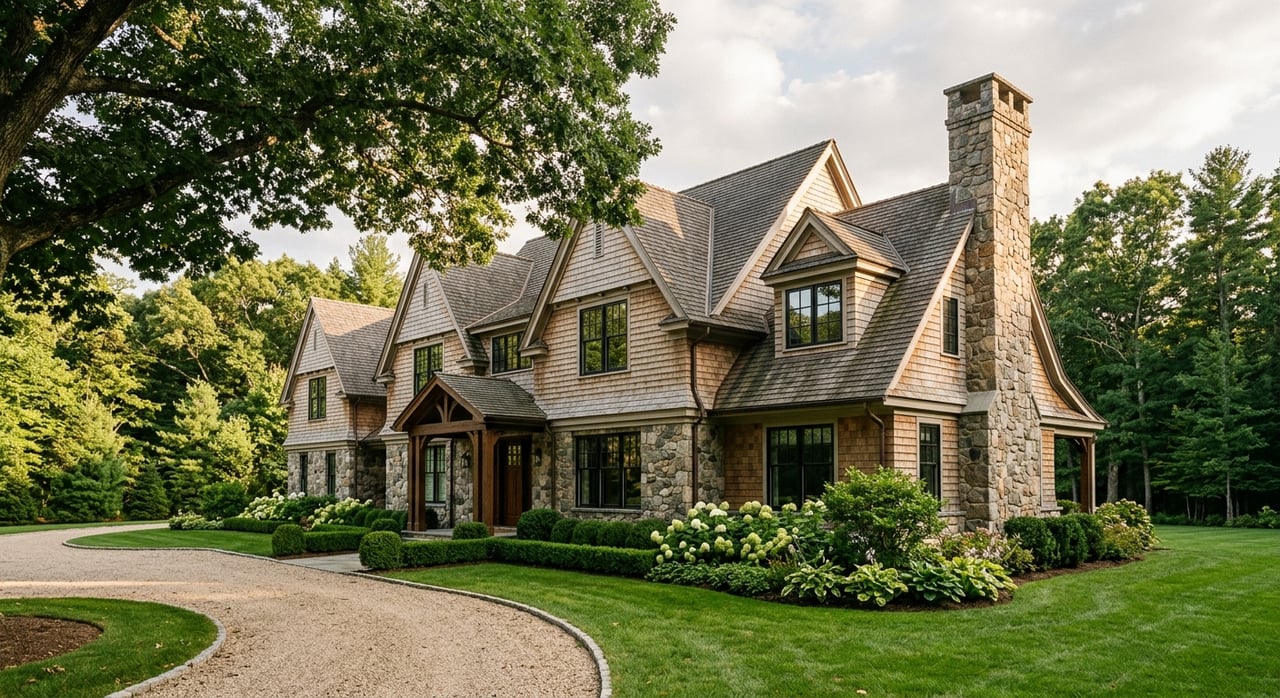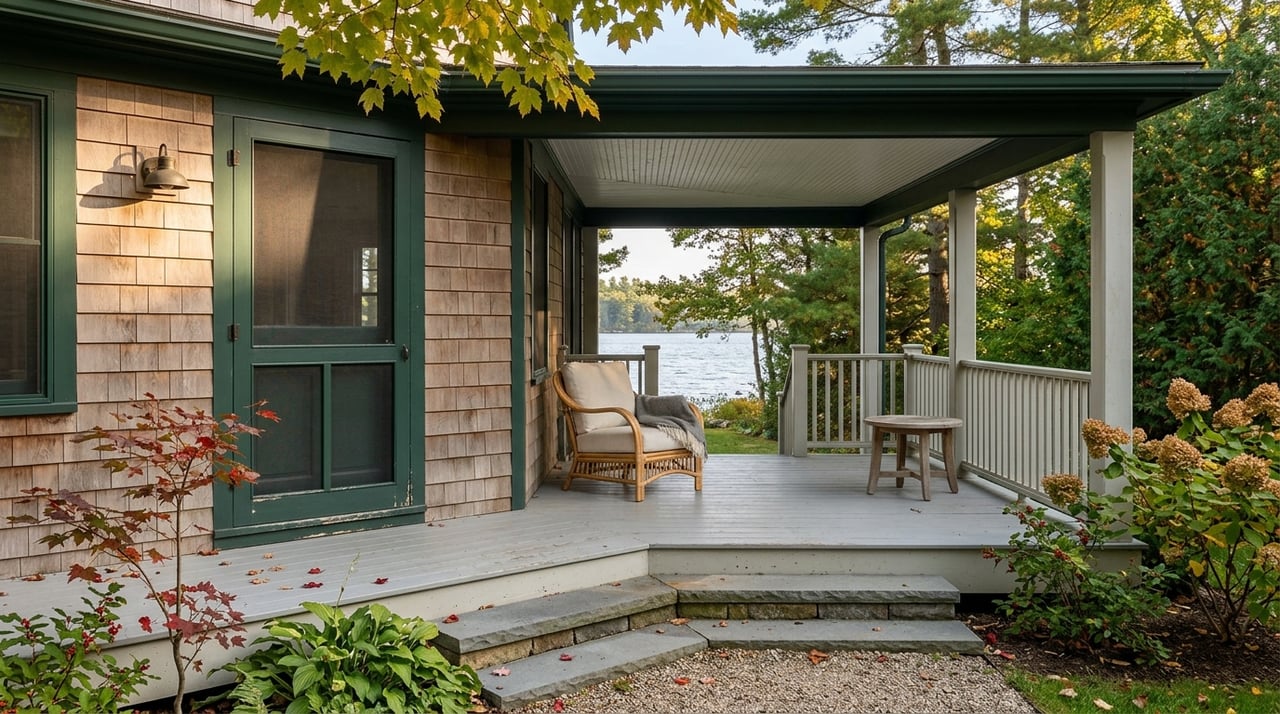
Are you only picturing Thousand Island Park in high summer? If so, you may be missing the seasons that reveal the place most clearly. In spring and fall, the St. Lawrence feels quieter, the porches feel more intimate, and the park’s historic cottage character comes into sharper focus. If you are thinking about buying, selling, or simply understanding this distinctive community, these shoulder seasons offer some of the best perspective. Let’s dive in.
Spring and fall reveal the park
Thousand Island Park began in 1875 as a Methodist summer camp and quickly evolved into a cottage community. By the 1890s, it had already developed into a mature resort culture with hundreds of cottages. Today, that historic identity still shapes how the park is experienced.
The setting is also formally recognized. New York State Parks notes that the Thousand Island Park Historic District on Wellesley Island was listed in the National Register in 1982 and expanded in 2022 to include shoreline boathouses. That matters because the built landscape is not incidental here. It is part of the place itself.
In spring and fall, you notice those details more easily. The architecture, the verandas, the river edges, and the rhythm of cottage life stand out when the pace is slower. Rather than competing with peak-summer activity, the setting has room to speak for itself.
Why the shoulder seasons matter
Thousand Island Park operates on a clearly seasonal pattern. The park identifies the Wellesley Hotel, the Guzzle, the library, and security as seasonal, and the Wellesley Hotel offers seasonal accommodations along with a seasonal restaurant and pub. That pattern helps define spring and fall as quieter, transitional times.
For many buyers and sellers, that is useful. These are the seasons when the park can feel less like a destination and more like a lived-in residential community. You get a better sense of scale, pace, and how the setting feels outside the height of summer.
This perspective can be especially important if you are drawn to historic properties. In a place shaped by heritage and preservation, the off-peak months often reveal the practical side of ownership as much as the scenic one.
Spring in Thousand Island Park
Spring arrives gradually on the river, and that is part of its appeal. Using Watertown as a practical regional benchmark, NOAA climate normals show average temperatures of 53.5°F and 34.5°F in April, then 66.9°F and 47.2°F in May. The air is cool, bright, and clearly transitional.
That means spring here is not midsummer-lite. It is a season of reopening, fresh light, and changing water views. April can still bring an average of 2.7 inches of snowfall, so the season often feels layered, with winter not fully gone and summer still ahead.
For a buyer, spring can be one of the best times to understand a cottage setting honestly. You can see how a home greets the season, how the porch and exterior sit in softer light, and how the broader park feels before the busiest months begin.
Outdoor access in spring
Spring also gives you a wider view of the landscape around the park. The nearby Minna Anthony Common Nature Center on Wellesley Island keeps hiking trails open year-round from sunrise to sunset. Its operating season runs from the first Friday in May through Columbus Day.
The center spans a 600-acre peninsula in the middle of the St. Lawrence River and offers 8 miles of hiking trails. For anyone considering a seasonal home, that matters. It shows that life here is not only about docks and midsummer routines, but also about walking, observing, and experiencing the island in quieter weather.
Fall on the St. Lawrence
If spring is about reawakening, fall is about clarity. NOAA climate normals show average temperatures of 71.8°F and 52.3°F in September, 58.6°F and 41.0°F in October, and 46.4°F and 30.5°F in November. Early fall still supports porch time, while late fall turns crisp quickly.
That transition suits Thousand Island Park especially well. The cooler air sharpens the outlines of cottages and shoreline boathouses, and the river begins to reflect a more restrained palette. It is a season that rewards slower looking.
New York State tourism highlights the Thousand Islands-Seaway for fall foliage, noting that color reflected on the St. Lawrence creates a striking double image on the water’s surface. It also notes that regional peak foliage is historically mid- to late October, with cruises running through the end of October. For anyone visiting in autumn, the river is a central part of the experience.
Why fall feels so memorable
Fall often offers the easiest balance between access and atmosphere. The weather can still be comfortable in September and early October, yet the cadence is calmer than summer. You may find that this is when the park’s visual identity feels most complete.
Porches, tree cover, boathouses, and the long light across the river all work together differently in autumn. Instead of a high-energy seasonal rush, you get a more measured version of the setting. For many people, that is the moment when Thousand Island Park feels most distinctive.
A quieter but active community rhythm
Quiet does not mean empty. Thousand Island Park remains shaped by community organizations and long-standing traditions that give the village continuity beyond peak-season weekends. That is an important distinction if you are evaluating the feel of ownership here.
The park’s organizations include the Tabernacle Community Association, which maintains worship services, family social events, lecture and concert programming, daily sports and art activities, and a weekly information sheet. Other groups support sailing, trails, historic trees, local history, and the library. Together, they show a place with civic life, not just seasonal traffic.
That civic texture helps explain why spring and fall feel so compelling. Even when the pace slows, the structure of community remains visible. You are not looking at a backdrop alone. You are looking at a place with routines, stewardship, and memory.
Public access and residential character
It is also important to understand the park’s access pattern. The cottage owners manual describes Thousand Island Park as a private residential community within the Town of Orleans in Jefferson County. It states that owners share beach rights, recreational activities, boat dockage, and social events.
At the same time, public access exists in defined ways. The general public is limited to places such as the Wellesley Hotel and shops, the Guzzle, the grocery store, the library, Four Corners, the main dock and pavilion, church services, and special events at the Tabernacle auditorium.
For real estate, this context matters. It helps explain why spring and fall can feel intimate and village-like rather than broadly tourist-driven. If you are considering a cottage here, that sense of structure and privacy is part of the ownership experience.
Historic ownership means stewardship
In Thousand Island Park, buying a cottage is also an act of stewardship. The Preservation Board requires a Preservation Permit before work begins on exterior projects that change a cottage’s appearance. That includes additions, sheds, exterior steps or railings, and demolition or rebuilding.
The board’s stated mission is to protect the community’s defining architectural identity and unique cultural experience. For buyers, that means design changes come with responsibility. For sellers, it reinforces the value of presenting a property within its historic and architectural context.
This is one reason the shoulder seasons can be so revealing. They draw your attention to proportion, materials, setting, and the way each cottage contributes to the larger whole. In a preserved historic district, those details are not secondary. They are central.
What buyers and sellers can take away
If you are buying in Thousand Island Park, spring and fall can help you evaluate more than scenery. You can better understand weather transitions, seasonal services, community rhythm, and the practical reality of owning in a historic setting. Those are the details that shape long-term satisfaction.
If you are selling, these seasons can also support a more nuanced story. A cottage here is not only a summer property. It is part of a historic river community with an identity that reads beautifully in quieter months, when porches, boathouses, and shoreline light carry the narrative.
The strongest takeaway is simple: spring and fall are not merely off-season in Thousand Island Park. They are often the seasons when the place feels most legible, most grounded, and most itself.
If you are considering a distinctive property where history, setting, and seasonal rhythm all matter, working with a brokerage that understands place can make a meaningful difference. Connect with Elizabeth Broderick for thoughtful, high-touch guidance shaped by stewardship, design awareness, and a deep respect for lived landscape.
FAQs
What is Thousand Island Park like in spring?
- Spring in Thousand Island Park is cool and transitional, with April and May bringing bright river light, quieter surroundings, and easy access to the broader Wellesley Island landscape.
What is Thousand Island Park like in fall?
- Fall in Thousand Island Park is crisp, scenic, and visually striking, with early autumn often warm enough for porch time and peak regional foliage typically arriving in mid- to late October.
Are amenities open year-round in Thousand Island Park?
- No. The park identifies several amenities, including the Wellesley Hotel, the Guzzle, the library, and security, as seasonal.
Is Thousand Island Park a private community?
- Yes. The cottage owners manual describes it as a private residential community, with public access limited to specific places and events.
What should buyers know about historic cottages in Thousand Island Park?
- Buyers should know that exterior projects that change a cottage’s appearance require a Preservation Permit, reflecting the park’s commitment to protecting its architectural identity.
Why visit Thousand Island Park outside summer?
- Visiting in spring or fall can give you a clearer sense of the park’s historic character, seasonal rhythm, river setting, and residential atmosphere.