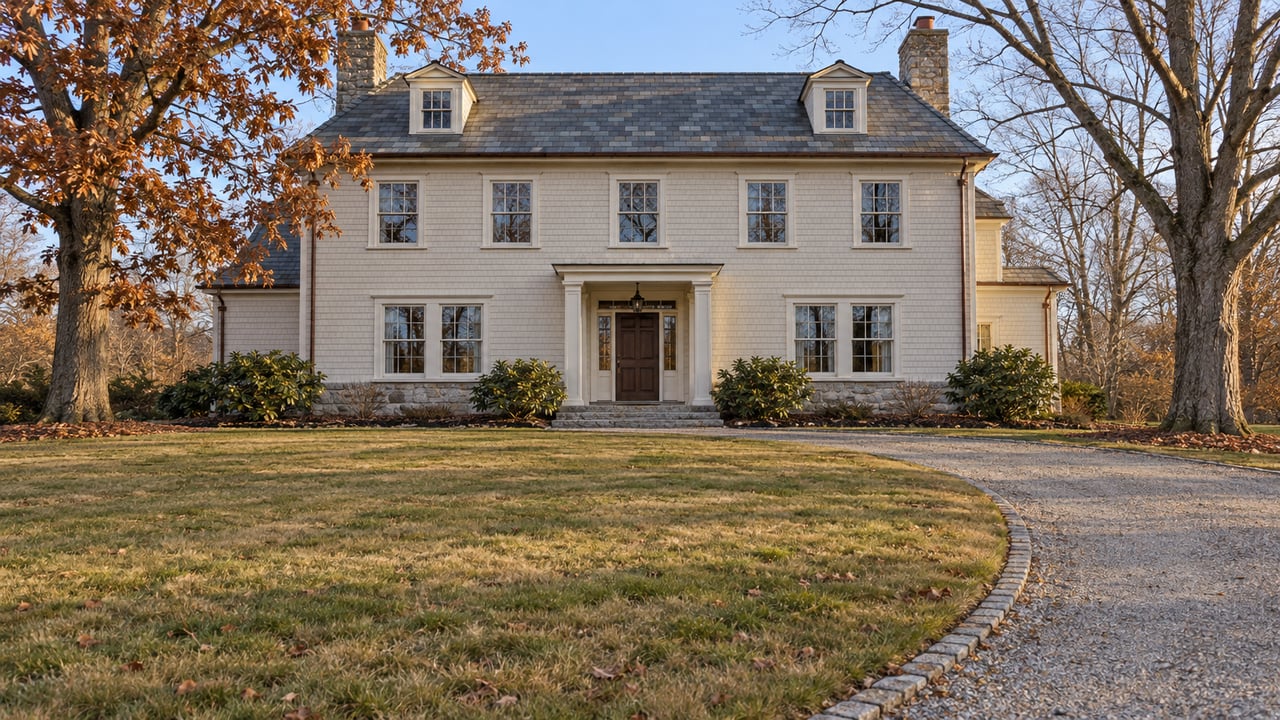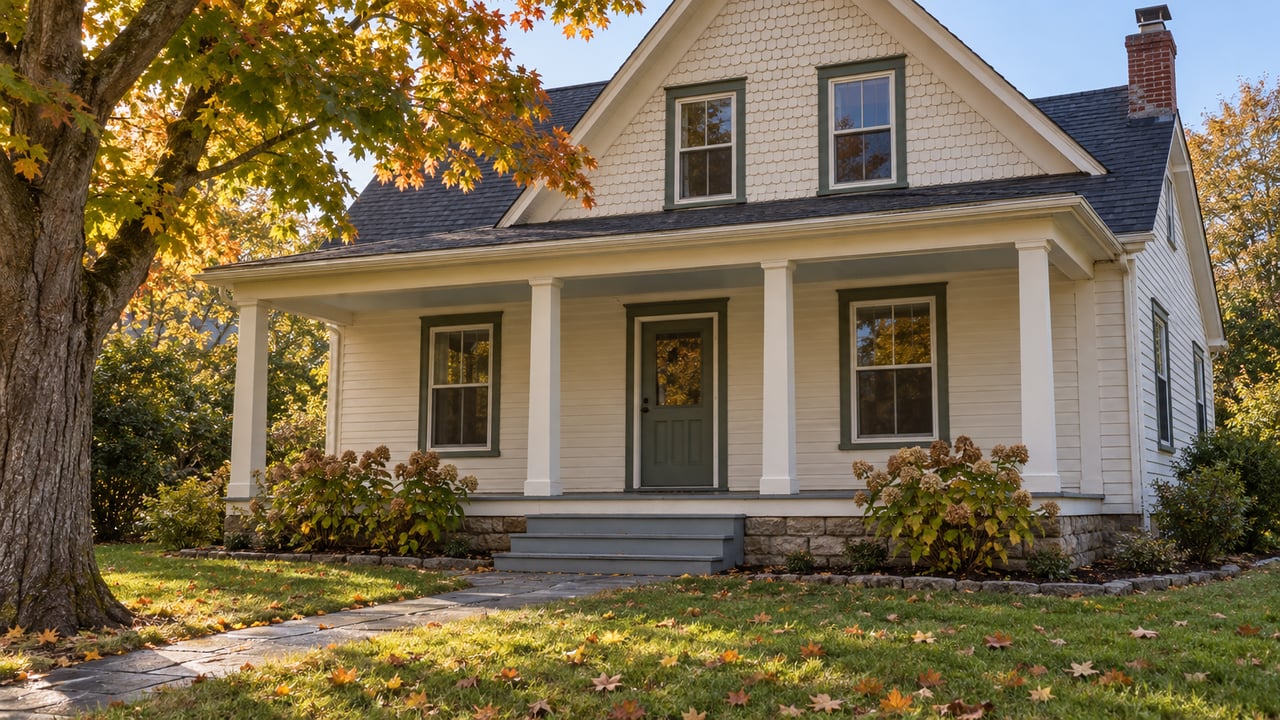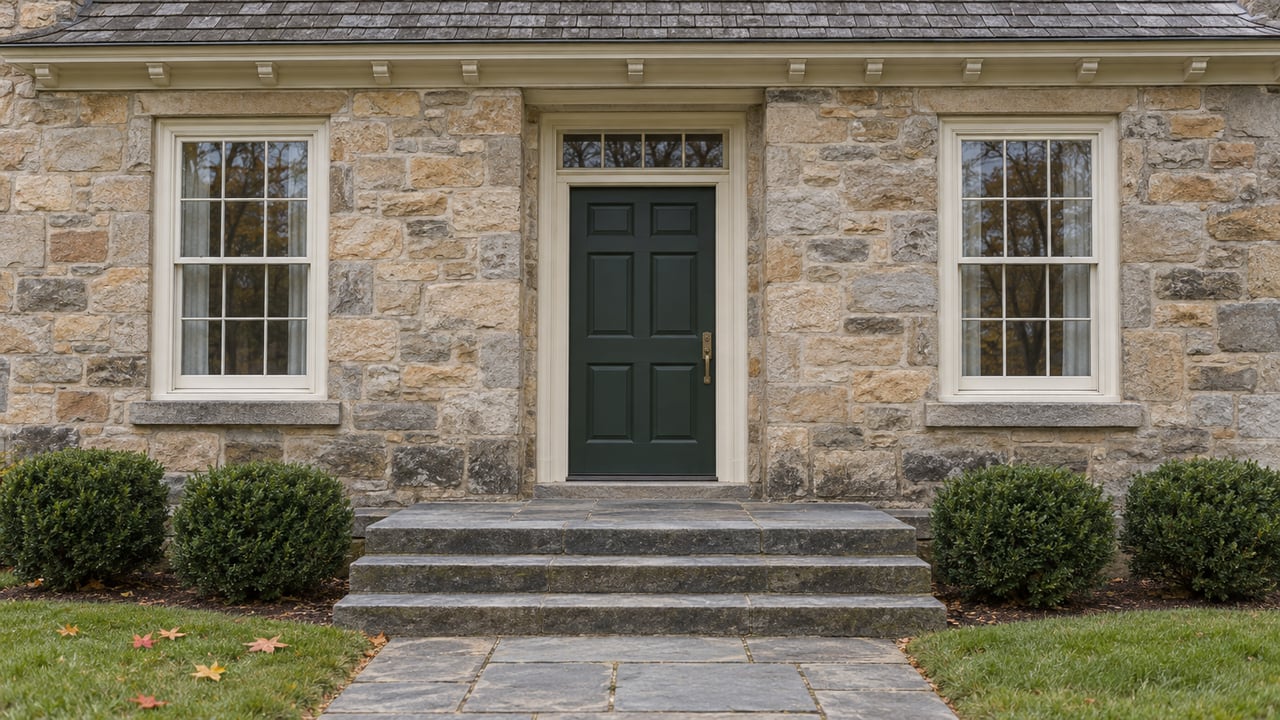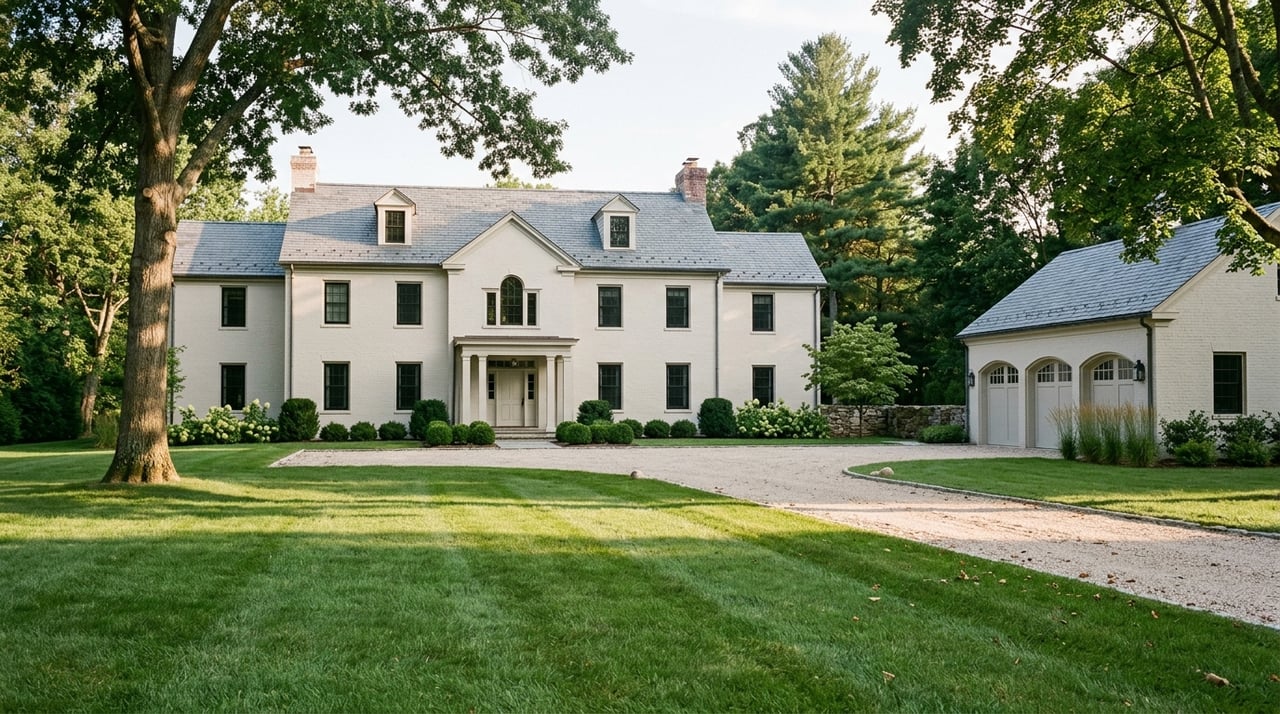
If you are looking at land in Saddle River, the headline acreage can be misleading. A parcel may read like an estate, but its real value often depends on zoning, setbacks, subdivision rules, and environmental constraints that shape what you can actually build. If you want a clearer read on what a large property may allow, this guide will walk you through the local framework and the questions worth asking before you move forward. Let’s dive in.
Why Saddle River Feels Like an Estate Market
Saddle River’s zoning framework is preservation-minded by design. The borough’s stated goals include limiting density, protecting light and air, maintaining drainage and sanitary systems, preserving open space, and keeping the general appearance of the countryside and natural land characteristics.
That matters because the town is not simply rewarding size for its own sake. It is using zoning and land-use controls to shape a certain pattern of development, which is one reason so many properties feel spacious, buffered, and estate-like.
It is also worth noting that Saddle River is not a one-zone community. In addition to its estate-style residential districts, the borough includes townhouse, business and office, planned unit development, affordable-housing, and private-educational districts. For that reason, you should always confirm the current zoning map and code rather than rely on an older listing description.
Zoning Districts Shape What Acreage Means
When buyers talk about acreage, they often mean privacy, flexibility, or future potential. In Saddle River, those goals still depend on the zoning district attached to the land.
R-1 Zoning in Saddle River
R-1 is the district most closely associated with the estate-lot pattern. It requires a minimum lot area of 87,120 square feet, with 200 feet of frontage and lot width.
The bulk standards are also generous in scale. R-1 allows a maximum building height of 35 feet or 2.5 stories, with a 125-foot front yard, 40-foot side yard, and 50-foot rear yard.
For buyers, that means a large parcel may still have a tightly defined buildable envelope once those setbacks are applied. A home can sit beautifully within the landscape, but the usable placement area may be narrower than the total acreage suggests.
R-2 and R-3 Zoning Differences
R-2 has a much smaller minimum lot area requirement at 11,250 square feet, with 75 feet of frontage and width. Setbacks are also smaller, including a 75-foot front yard, 15-foot side yard, and 25-foot rear yard.
R-3 is more nuanced. It permits single-family detached dwellings and townhouses, but townhouse development requires at least 5 contiguous acres and 25% open space.
That distinction matters because the same acreage can lead to very different outcomes depending on the district and the specific use proposed. You are not simply buying land area. You are buying into a regulatory framework.
PUD Thresholds Are Much Higher
If a site looks large enough for broader development, the borough sets a high threshold. No tract may be developed as a planned unit development unless it contains at least 25 contiguous acres.
There is another important point here. If a tract in the PUD zone does not qualify as a PUD, R-1 controls apply instead, along with the stricter estate-lot pattern that comes with them.
Why Acreage Alone Does Not Equal Buildability
This is the key takeaway for most buyers and sellers. More land does not automatically mean more development potential.
Subdivision standards, environmental conditions, lot layout, frontage, drainage, and natural features all affect what can happen on a parcel. In Saddle River, acreage is only the first filter.
What Makes a Minor Subdivision
Under the borough’s subdivision code, a minor subdivision may contain no more than four lots, including the remaining basic lot. It must front on an existing improved street, involve no new street or road, require no extension of municipal facilities or off-tract improvements, and avoid conflict with the master plan, zoning, official map, or subdivision code.
If a proposal goes beyond that, it becomes a major subdivision and enters a more involved approval process. That change can significantly affect timing, cost, and uncertainty.
Frontage, Street Access, and Site Suitability
Even if a parcel appears large enough to divide, each resulting lot must still satisfy zoning minimums. Beyond that, the subdivision rules require each lot to front on an approved street at least 50 feet wide.
The Planning Board may also require more area than the zoning minimum if soil conditions, grades, or other factors justify it. The board can withhold approval if rock formations, adverse soils, flood conditions, or similar issues make the lot unsuitable for its intended use.
In practice, this means a two-acre parcel is not automatically splittable just because the math seems close. The physical character of the land matters just as much as the dimensions on paper.
Older Nonconforming Lots May Still Matter
There is one caveat that can be valuable on older estate tracts. In R-1 or R-2, a lot shown as a separate lot on the borough’s Tax Assessment Map before the effective date of the zoning chapter may still be used for a permitted use in its zone if it does not violate other limiting schedule requirements.
That grandfathering rule can make an older undersized vacant lot more meaningful than it first appears. It does not remove all other requirements, but it can preserve buildability where current lot area or frontage standards would otherwise be difficult to meet.
Accessory Buildings on Estate Parcels
One of the most common assumptions in large-lot markets is that open land automatically allows extra structures. In Saddle River, accessory buildings are allowed, but they are tightly regulated.
What Accessory Uses May Be Allowed
In R-1, the permitted accessory list includes private stables, private garages, private pool houses or cabanas, private tennis field houses, gazebos, and private storage facilities. That gives owners flexibility, but only within a defined framework.
The borough limits a residential lot to three accessory buildings, except for certain farmland-assessed properties of 5 acres or more. Each accessory building may be no larger than 1,000 square feet and no taller than one story or 17 feet to the ridgeline.
Placement Rules Matter
Accessory buildings also count toward building-area calculations. They cannot sit in front of the principal building and cannot encroach into required front or rear yards.
On single-family lots, they may encroach into a required side yard only up to the applicable one-side-yard minimum. In R-1, R-3, and PUD districts, that side-yard minimum is 40 feet, while in R-2 it is 15 feet. Accessory structures must also be set back at least 25 feet from the front building line.
For buyers imagining a guest-style structure, barn, or cabana, these details are essential. The question is not just whether an accessory building is allowed, but where it can legally sit once the house, setbacks, and lot coverage are accounted for.
Driveways, Curb Cuts, and Estate Access
On a long frontage parcel, driveway access can influence both design and function. Saddle River generally allows only one curb cut to a residential lot.
A second curb cut is permitted if the lot frontage is 200 feet or greater. On estate parcels, that can be a meaningful advantage for service access, circular drive planning, or a more formal arrival sequence.
Conservation Rules Can Shrink the Usable Envelope
On large parcels, environmental and conservation rules often matter as much as zoning. A property may feel open and flexible when you first walk it, yet regulated features on the ground can substantially narrow the realistic building area.
Tree Removal Is Regulated
Saddle River requires a tree-removal permit for any deciduous tree 8 inches in diameter or larger, or any evergreen 15 feet or taller, on private property unless an exemption applies. The ordinance also limits how many such trees may be removed in a 12-month period and imposes replacement obligations and penalties for unauthorized removals.
This is important because clearing land is not simply a cosmetic decision. In Saddle River, it is part of land-use review.
Route 17 Buffer and Natural Features
The borough also protects a 50-foot natural-state strip along Route 17, except where certain PUD and R-3 rules apply. If vegetation is disturbed in that strip, the owner must restore it with equivalent shrubs and trees.
Subdivision standards also call for the preservation of natural features such as trees, brooks, hilltops, and views whenever possible. If you are assessing a parcel for development, these landscape features may shape not only design choices but approval outcomes.
Flood and Watercourse Screening
The borough’s subdivision standards require lots to be suitable without danger from flood, fire, erosion, or other hazards. If a subdivision is crossed by a watercourse, it must provide a stormwater easement or drainage right-of-way.
For parcels near streams, wetlands, or low areas, due diligence should include FEMA map screening and NJDEP review before you make assumptions about additions, grading, or outbuildings. In other words, a beautiful natural setting can add real value, but it may also narrow the buildable footprint.
A Smarter Way to Evaluate Estate Parcels
If you are buying or selling a large property in Saddle River, the most useful lens is not just acreage. It is the interaction between zoning district, setback pattern, accessory-building rules, subdivision standards, frontage, tree controls, and environmental constraints.
That is especially true in a market where land carries both practical and aesthetic value. Long drives, mature trees, open lawns, and protected natural features can be part of what makes a property compelling, but they also shape what comes next from a planning standpoint.
For sellers, understanding those details can help you position a parcel accurately and credibly. For buyers, it can help you separate a property with real flexibility from one that is mostly visual acreage.
If you are considering a Saddle River property and want a thoughtful read on its land, layout, and potential, Elizabeth Broderick brings a place-driven, detail-oriented approach to estate homes and large-lot opportunities.
FAQs
Can a two-acre lot be split in Saddle River?
- Only if the resulting lots satisfy the applicable zoning standards and the borough’s subdivision requirements, including frontage, street access, and site suitability.
Can you add a barn or cabana on a Saddle River estate parcel?
- Often yes, but only if the structure fits the permitted accessory-use list and complies with limits on number, size, height, and placement.
Does more acreage mean more development potential in Saddle River?
- No. Development potential also depends on zoning district, subdivision review, setbacks, tree rules, drainage, and flood or wetlands constraints.
How many accessory buildings are allowed on a Saddle River residential lot?
- In general, a residential lot is limited to three accessory buildings, except for certain farmland-assessed properties of 5 acres or more.
Do older undersized lots still have value in Saddle River?
- Yes. Some older nonconforming vacant lots shown separately on the borough’s Tax Assessment Map before the zoning chapter’s effective date may still be buildable if they do not violate other limiting requirements.