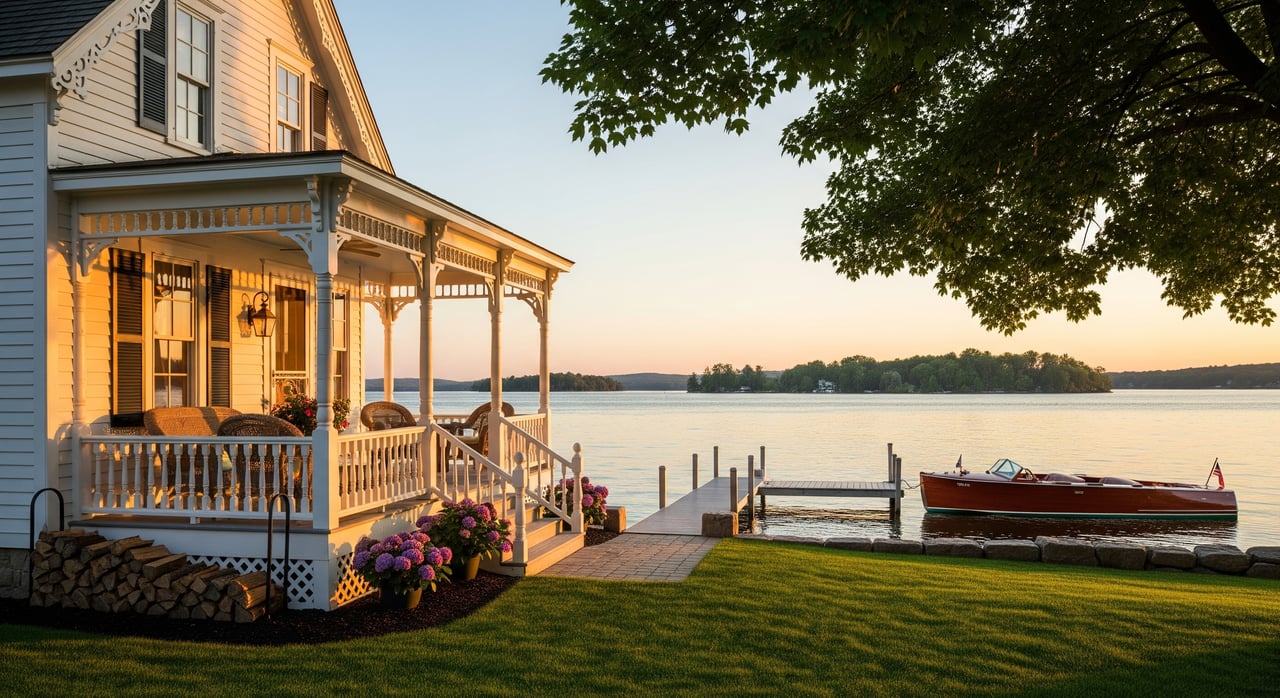
Dreaming of a painted-porch cottage steps from the St. Lawrence River, where summer unfolds at an easy pace? Thousand Island Park on Wellesley Island blends historic charm with water-centered living that draws second‑home buyers year after year. If you are curious about how ownership works, what to expect from a century-old cottage, and the rules that come with a waterfront historic district, you are in the right place. This guide walks you through the community, due diligence, and the practical steps that help you buy with confidence. Let’s dive in.
Thousand Island Park at a glance
Thousand Island Park is a historic cottage community on Wellesley Island in Jefferson County, New York. You reach it by road using the Thousand Islands Bridge system, which keeps the island connected to the mainland. The neighborhood is seasonal in feel, with porches, walking paths, and access to the river that shapes daily life. Many owners use their cottages as weekend or summer homes.
The district is listed on the National Register of Historic Places, which helps preserve its character. That status attracts buyers who value architecture and community identity. It may also mean a review process for exterior changes, plus the potential for preservation incentives. You should confirm what reviews apply to the specific property you are considering.
How ownership works in TIP
Ownership in Thousand Island Park typically follows one of a few patterns. Most cottages transfer as fee simple, where you own both the home and the lot. In some historic cottage colonies, leasehold lots still exist, so it is important to verify the deed type early. Common spaces such as roads, greens, beaches, and community buildings are often held by the association or related entity.
Association governance and dues
Thousand Island Park functions as a private cottage community with one or more organizations that manage common areas and community rules. Expect annual or seasonal dues that support road maintenance, common insurance, utilities or shared systems, and community events. Before you buy, obtain the governing documents and recent meeting minutes so you understand:
- Current dues and any special assessments
- Rules on rentals, pets, exterior appearance, and use of docks or boathouses
- Maintenance obligations for roads, snow removal, and common utilities
- Any upcoming capital projects that could affect costs
Deed rights, easements, and docks
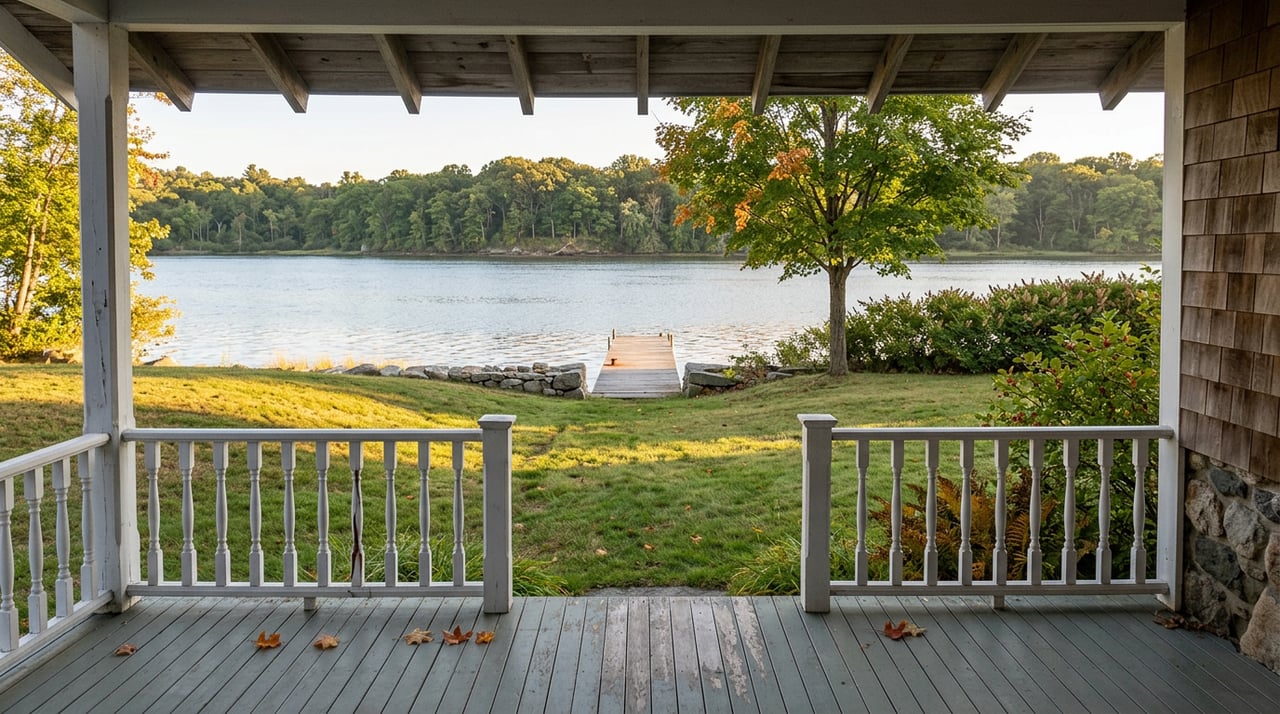
Water access is a major value driver, so confirm deeded shoreline rights and how docks or boathouses are handled. In Thousand Island Park, docks may be deeded with the property, leased from the association, or regulated by permits. Ask for written confirmation of:
- Ownership or lease status of docks, piers, or moorings
- Any easements for access, utilities, or shared shoreline
- Rules for guests and service vehicles
- Road and plowing responsibilities across access easements
If a dock or boathouse is present, verify whether it is permitted and compliant. Some structures on or over water require approvals from multiple authorities. If a structure is not authorized, you may be asked to modify or remove it.
Permits, regulations, and environmental factors
Buying along the St. Lawrence River adds a layer of permitting and environmental review. Planning ahead helps you avoid surprises and budget with clarity.
Waterfront and in‑water structures
Docks, piers, boathouses, seawalls, and related shoreline work often require a combination of local, state, and federal permits. New York State agencies regulate in‑water work and activity near wetlands, and the U.S. Army Corps of Engineers may also be involved. Local town or county codes typically govern setbacks and bulkhead standards. If you plan any changes to a waterfront structure, factor in approval timelines and seasonal windows for construction.
Septic, wells, and health codes
Many cottages use private wells and septic systems. The county health department regulates septic permits, inspections, and required upgrades. Older systems are common and may need replacement if you renovate or move toward year‑round occupancy. If a property connects to a community water or sewer system, confirm capacity, ownership, fees, and maintenance responsibilities.
Flood zones and insurance
Shoreline parcels along the St. Lawrence River can be in FEMA flood zones. Your lender may require flood insurance if the home sits in a mapped zone. To get reliable quotes, request an elevation certificate early. Consider mitigation steps such as elevating utilities, installing flood vents where appropriate, and planning for shoreline erosion. Winter storms, ice, and seasonal water levels should also inform your maintenance plan.
Historic preservation and building permits
Because Thousand Island Park is a listed historic district, exterior changes to a cottage often require review by local historic or design authorities. Typical items under review include porches, siding, windows, color palettes, and additions. Interior upgrades are usually less restricted, but align your plans with local guidelines to avoid delays. Build permit timelines into your project schedule and budget.
Cottage styles and what to expect
Thousand Island Park is known for late‑19th and early‑20th‑century cottages that lean Victorian, Carpenter Gothic, and Queen Anne. Expect narrow footprints with deep porches, decorative trim, and rooms designed for summer living. Kitchens and baths tend to be smaller than in modern homes, and many cottages include outbuildings or boathouses.
Common condition issues
Older seasonal cottages weather decades of freeze and thaw. During inspections, give extra attention to:
- Roofs, porches, and structural members that show wear from exposure
- Outdated electrical systems, limited insulation, and minimal heating
- Small or aging septic systems and dated plumbing
- Potential lead paint or asbestos in very old construction
If you plan to live year‑round, expect upgrades to insulation, windows or storms, heating, and winterization of plumbing. Some homes need foundation work or underground utility updates.
Renovation timelines and costs
Historic cottages often require more careful, higher cost work on a per‑square‑foot basis. Structural repairs, HVAC installation, septic replacement, and restoration of historic details can be significant. Construction windows can be seasonal, since access and weather affect crews and deliveries. Get bids from contractors who understand island logistics and historic fabric. Build a contingency for surprises that may surface once walls are open.
Seasonal living and access
Part of Thousand Island Park’s appeal is its island setting and summer rhythm. It is also important to plan for access and services throughout the year.
Getting there and parking
Wellesley Island is road‑accessible via the bridge system. Seasonal traffic can affect timing, especially on peak weekends. If you host guests, review parking rules and storage options for trailers or boats. Some owners keep extra vehicles or gear off‑island.
Utilities and connectivity
Utilities vary by parcel. Some cottages tie into community water while others rely on private wells and septic systems. Electric service is available, but older panels may not support modern HVAC without upgrades. Internet and cell coverage can be variable near shorelines. If you need strong connectivity for work, verify providers and speeds before you commit.
Year‑round vs. seasonal use
Many owners treat these homes as seasonal. If year‑round living is your goal, confirm that zoning and community rules allow it, then plan for code‑compliant heating, insulation, and plumbing. You may also see changes in your insurance profile and maintenance needs.
A practical buyer checklist
Use this step‑by‑step list during your search and due diligence. It will help you stay organized and avoid avoidable delays.
- Confirm deed type. Identify whether the property is fee simple or leasehold and obtain a title report.
- Request association documents. Ask for CC&Rs, bylaws, financials, current dues, meeting minutes, and disclosure of pending projects or assessments.
- Verify docks and shoreline rights. Confirm whether any dock or boathouse is deeded, leased, and properly permitted. Request copies of permits and recent inspections.
- Order a survey. Use a current survey to verify boundaries, setbacks, and any encroachments or access easements.
- Inspect thoroughly. Schedule a full home inspection plus separate septic and well evaluations. Consider a historic‑property specialist for significant cottages.
- Check flood status. Review FEMA flood maps, order an elevation certificate if near shore, and obtain flood insurance quotes early.
- Confirm utilities and services. Document water and sewer arrangements, trash pickup, winter plowing, mail delivery, and available internet providers.
- Review rental rules. If you plan to rent, confirm short‑term and seasonal rental policies and any permit requirements.
- Understand permits and timelines. Review building and historic approvals needed for your plans, including waterfront work.
- Get contractor input. Secure estimates and realistic timelines from contractors with island and historic experience.
- Verify taxes. Confirm current property taxes, any special assessments, and typical utility and association cost totals.
How to evaluate a cottage in one focused visit
A single showing can tell you a lot if you know where to look. Use this quick framework to guide your walkthrough, then back it up with professional inspections.
- Start outside. Walk the perimeter to note grading, downspouts, porch footings, paint condition, and any shoreline structures.
- Check structure. Look for sagging floors, soft decking, or visible rot on stairs, railings, and porch posts.
- Scan mechanicals. Note panel size, wiring type, age of service, visible heating equipment, and plumbing materials.
- Assess layout. Understand room flow, ceiling heights, and where insulation or mechanical chases could run if you plan upgrades.
- Ask about utilities. Clarify water source, septic type, and any maintenance records or recent repairs.
- Verify dock details. Confirm how the dock is owned or leased, the permit status, and any association rules.
Buying in Thousand Island Park is equal parts real estate choice and stewardship. You are joining a community with a rich architectural story and a shoreline environment that rewards thoughtful planning. With the right due diligence and a clear renovation plan, you can enjoy summers on the porch and mornings on the river with confidence.
Ready to talk strategy for historic and waterfront homes within reach of New York City? Connect with Elizabeth Broderick for discreet, concierge guidance tailored to your goals.
FAQs
What makes Thousand Island Park unique for buyers?
- It is a historic cottage district on Wellesley Island with seasonal charm, community amenities, and architecture that draws second‑home owners.
Can you live year‑round in Thousand Island Park?
- Possibly, but confirm zoning and association rules and plan for winterization upgrades to heating, insulation, and plumbing.
Who controls docks and shoreline rights in TIP?
- Dock and mooring rights may be deeded, leased through the community, or subject to permits, so verify the status and approvals in writing.
Are there association fees in Thousand Island Park?
- Yes, dues typically support roads, common areas, utilities or shared systems, and community services; request current budgets and fee schedules.
Do historic rules block renovations in TIP?
- Not necessarily; interior updates are often flexible, while exterior changes usually require design review and approvals.
Is flood insurance required for St. Lawrence River cottages?
- Lenders often require it if the home sits in a FEMA flood zone; obtain an elevation certificate and quotes early in your process.