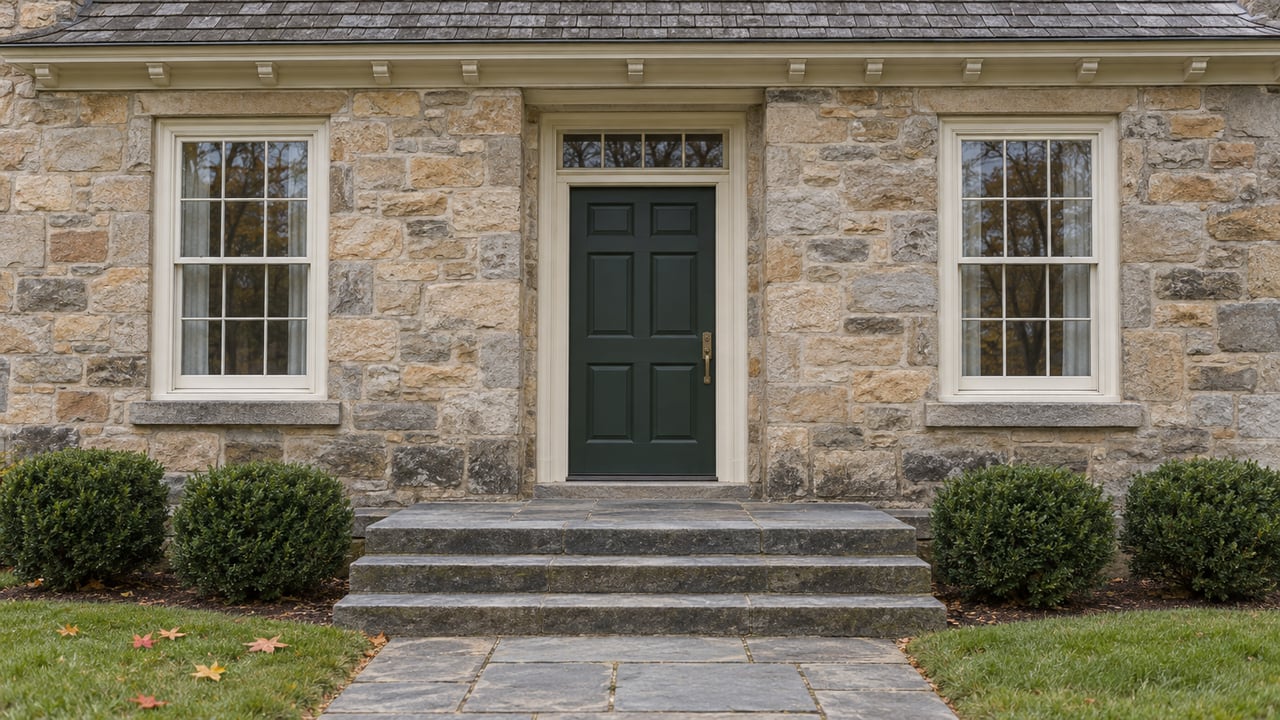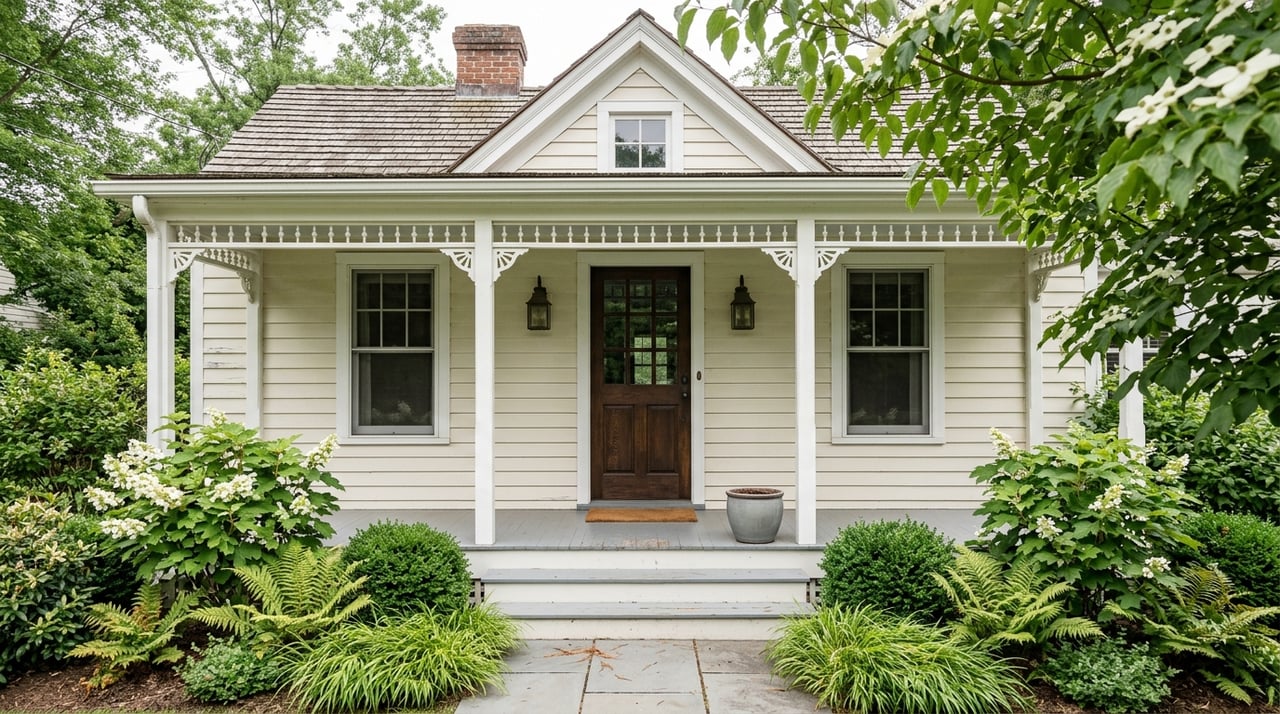
What if the smartest cottage purchase in Thousand Island Park is not the one with the biggest rental upside, but the one with the strongest sense of place? If you are drawn to historic architecture, summer rhythms, and the enduring appeal of the St. Lawrence River, this is a market worth understanding on its own terms. The opportunity here is real, but it looks more like stewardship with lifestyle value than a typical short-term rental play. Let’s dive in.
Why Thousand Island Park Stands Apart
Thousand Island Park sits on Wellesley Island in the St. Lawrence River, within the Town of Orleans in Jefferson County, New York. Founded in 1875 as a Methodist camp meeting community, it evolved from tents on platforms into a distinct summer-cottage district that still centers on the river, the green, and shared community life. Today, it is recognized as a National Register historic district with roughly 350 cottages and five public buildings.
For you as a lifestyle investor, that context matters. This is not a generic resort market made up of interchangeable vacation homes. It is a historic community with a clear identity, a layered architectural story, and a set of ownership rules that shape how each purchase should be evaluated.
Think Lifestyle First, Income Second
The clearest way to understand Thousand Island Park is as a summer-use asset first. According to the current Cottage Owners’ Manual, water service is generally provided during the summer season, beginning as soon as possible before May 31 and ending on or about October 10. The Park’s own operations also reflect that rhythm, with several core services identified as seasonal on the community contact and organizations pages.
That seasonality changes the investment lens. If you are hoping for an unrestricted, year-round income property, this market may feel limiting. If you want a summer retreat with long-run scarcity, historic character, and a deeply established community setting, the appeal becomes much stronger.
Understand The Leasehold Structure
Before you focus on porches, river views, or original millwork, you need to understand how ownership works. Thousand Island Park is a private residential community where cottage owners lease their land from the Corporation, rather than owning it in a conventional fee-simple subdivision. The current Cottage Owners’ Manual makes clear that the lease incorporates the Park’s rules and regulations.
That is one of the most important facts in the entire decision process. The Corporation can fine owners, issue cease-and-desist orders, and in repeated cases pursue lease termination or eviction proceedings for rule violations. In practical terms, you are buying into a historic community with an active governance structure, not just purchasing a stand-alone cottage.
Preservation Rules Shape The Investment
In many vacation markets, buyers assume they can renovate freely after closing. Thousand Island Park is different. Under the current Preservation Code and Land Use Regulations, buildings and structures generally cannot be erected until either a Historic Preservation Permit or a Work/Building Permit has been issued.
Routine maintenance that does not change design, material, or outward appearance may be handled through a Work/Building Permit. But if your project changes exterior appearance, Preservation Board review and approval are generally required. Applications may need photos and drawings, repair work must use original or existing materials, and some projects may also require approvals from Jefferson County, New York State, the DEC, the U.S. Army Corps of Engineers, or the Town of Orleans.
This is why renovation budgets in the Park should include both money and time. A project that looks simple on paper may move at a slower pace once permit review, material matching, and seasonal construction timing are factored in.
Cottage Styles Create Micro-Markets
One of the most compelling parts of Thousand Island Park is that it is not one uniform housing type. The Thousand Island Park Landmark Society identifies five recurring cottage traditions in the Park:
- Tent Platform / Early Campground
- Later Campground / Eastlake
- Queen Anne
- Shingle
- Craftsman / Bungalow
That architectural range creates true micro-markets. A buyer may value an early cottage for its rarity and historic fabric, while another may prefer the cleaner lines and often simpler rebuilding history associated with the post-1912-fire Craftsman and bungalow-era homes.
In this setting, price and desirability often hinge on more than size alone. Style, condition, historic integrity, and the amount of preservation-sensitive work required can all influence how a cottage is perceived.
Location Inside The Park Matters
Not all cottage locations within Thousand Island Park offer the same experience or the same approval path for future work. The Preservation Code divides the Park into sub-districts, and those distinctions matter.
Yellow District Convenience
The Yellow subdistrict is described as the Park’s historic commercial and business hub. It includes uses such as the post office, Corporation facilities, retail, restaurants, hotel, tabernacle, library, pavilion, gazebos, community docks, and boat ramps.
If you value walkability and easy access to the Park’s social life, this area may feel especially appealing. For some buyers, being close to the most active shared spaces is part of the point.
Green District Waterfront Access
The Green subdistrict protects waterfront, parks, open space, boathouses, docks, swimming areas, and recreational areas. Construction and leasing are kept intentionally low-density in order to preserve open vistas and community access.
From a lifestyle perspective, this is where scarcity becomes especially meaningful. Shoreline-adjacent cottages, boathouse-linked properties, and homes with direct visual or physical connection to the river are likely to be among the Park’s most lifestyle-driven opportunities.
Red District Historic Character
The Red subdistrict covers the historic residential area, where early construction, historic value, strict setbacks, and heavier limits on exterior alteration shape the streetscape. If your priority is authenticity, architectural continuity, and a more traditional cottage setting, this district may be the strongest fit.
It is also the area where preservation expectations may feel most consequential. Two cottages with similar square footage can present very different future options based on which sub-district they sit in.
Rental Income Has Clear Limits
For many buyers, the phrase “lifestyle investor” includes at least some rental thinking. In Thousand Island Park, that is reasonable, but it should be approached with precision. The Park’s rental policy is structured and specific, not open-ended.
Under the current rental rules in the Cottage Owners’ Manual, owners or rental agents must file a rental registration form before each occupancy, provide tenants with Park rules, and furnish parking passes. During the season, rental weeks are capped at eight weeks per year, with the season defined as Memorial Day weekend through Labor Day weekend.
In season, cottages may not be rented for less than a week. The stated fee is currently $200 per week, and occupancy is limited to two people per bedroom or ten people per cottage, whichever is less. Off-season rentals may be allowed for shorter stays, with a stated fee of $100 per week and $15 per day prorating.
That means your investment thesis should be realistic. This is not an unrestricted short-term rental market. Any income component exists within a rule-based framework designed to preserve the Park’s character and seasonal rhythm.
National Register Status: Helpful, But Not The Main Rulebook
It is easy to assume that National Register status is the main reason the Park is tightly controlled. That is not quite right. According to the New York State Office of Parks, Recreation and Historic Preservation, National Register listing itself does not automatically impose local-use restrictions on a private owner.
In Thousand Island Park, the main day-to-day constraints come from the Corporation’s leasehold structure and preservation code. The National Register designation still matters, though, because it reinforces the Park’s historic identity and may create eligibility to apply for state and federal historic rehabilitation tax credits.
That distinction is useful when you are assessing risk. The appeal of the district is tied to its preservation history, but the practical controls that shape ownership are local to the Park’s governing framework.
Due Diligence Questions To Ask Before You Buy
In a market like this, due diligence goes well beyond price per square foot. Before moving forward, it is wise to clarify the details that affect use, renovation, and long-term enjoyment.
Ask these questions early:
- Which sub-district is the cottage in?
- Is it closer to the business core, waterfront open space, or the historic residential streets?
- Is there a boathouse or dock lease involved?
- Will your planned work change the exterior appearance?
- Would the project require Preservation Board review?
- Are any county, state, DEC, Corps, or Town of Orleans approvals also required?
- How much original material remains, and what type of repairs may need matching materials?
- Does your intended use fit the Park’s seasonal utility and rental rules?
These questions may sound technical, but they are really about fit. The right cottage in Thousand Island Park is not just the one you can afford. It is the one whose rules, location, condition, and seasonal rhythm align with how you actually want to use it.
The Best Investment Case Here
The strongest case for buying in Thousand Island Park is not maximum flexibility. It is scarcity with meaning. You are stepping into a riverfront historic district with established architectural character, a long preservation record, and a community structure that has helped protect its identity over time.
That makes the most persuasive investment story a blend of personal use and long-term desirability. If you value summer traditions, historic cottages, waterfront proximity, and a place where shared spaces still matter, the Park offers something increasingly hard to replicate.
If you are considering a cottage in a historic market where architecture, governance, and setting all shape value, working with an advisor who understands stewardship-minded buying can make the process much clearer. Elizabeth Broderick brings a place-driven perspective to distinctive properties and can help you think through what makes a lifestyle purchase truly enduring.
FAQs
What makes Thousand Island Park cottages different from typical vacation homes?
- Thousand Island Park cottages sit within a private historic community on leasehold land, with preservation rules, seasonal operations, and a strong focus on summer use and community character.
Are Thousand Island Park cottages good short-term rental investments?
- They can produce some rental income, but the Park limits in-season rentals to eight weeks per year, requires registration before occupancy, and applies specific occupancy, fee, and rental-length rules.
What ownership structure applies in Thousand Island Park?
- Cottage owners lease their land from the Corporation, and that lease incorporates the Park’s rules and regulations rather than following a typical fee-simple subdivision model.
Do renovation projects in Thousand Island Park need approval?
- Yes, many do. Exterior changes generally require Preservation Board review, while even some repair and maintenance work may require a Work/Building Permit under the Park’s Preservation Code.
Why do sub-districts matter when buying a cottage in Thousand Island Park?
- Sub-districts affect use, density, preservation expectations, and the likely approval path for changes, so location within the Park can shape both lifestyle and future project flexibility.
Does National Register status restrict private owners in Thousand Island Park?
- National Register listing alone does not automatically impose local-use restrictions on private owners, but the Park’s leasehold structure and preservation code do shape day-to-day ownership and renovation decisions.