If you love the idea of summer on the St. Lawrence, Thousand Island Park can feel instantly memorable. But before you decide whether to buy a cottage or rent one for the season, it helps to understand that this is not a typical vacation-home market. In Thousand Island Park, ownership comes with a distinct leasehold structure, preservation rules, and year-round responsibilities. This guide will help you weigh the trade-offs so you can choose the option that fits your time, budget, and lifestyle. Let’s dive in.
Thousand Island Park Has a Distinct Ownership Model
Thousand Island Park is a private residential community within the Town of Orleans on Wellesley Island in Jefferson County. It began in 1875, and its historic district was listed in the National Register in 1982, with an amendment in 2022 that expanded the district to include boathouses and extend the period of significance.
That history shapes the experience of being here today. The community is known for its long-standing summer rhythm, shared traditions, and historic cottages, but it is also governed in ways that are more structured than many buyers first expect.
Ownership Is Leasehold, Not Freehold
In Thousand Island Park, buying a cottage does not mean you own the land in the usual sense. Cottage owners purchase the structure and lease the land from the Thousand Island Park Corporation.
That matters because the Corporation has authority to enforce the lease and community rules. According to the park materials, enforcement tools can include fines, cease-and-desist orders, lease termination, eviction proceedings, or even sale at public auction if obligations are not met.
Historic Character Comes With Oversight
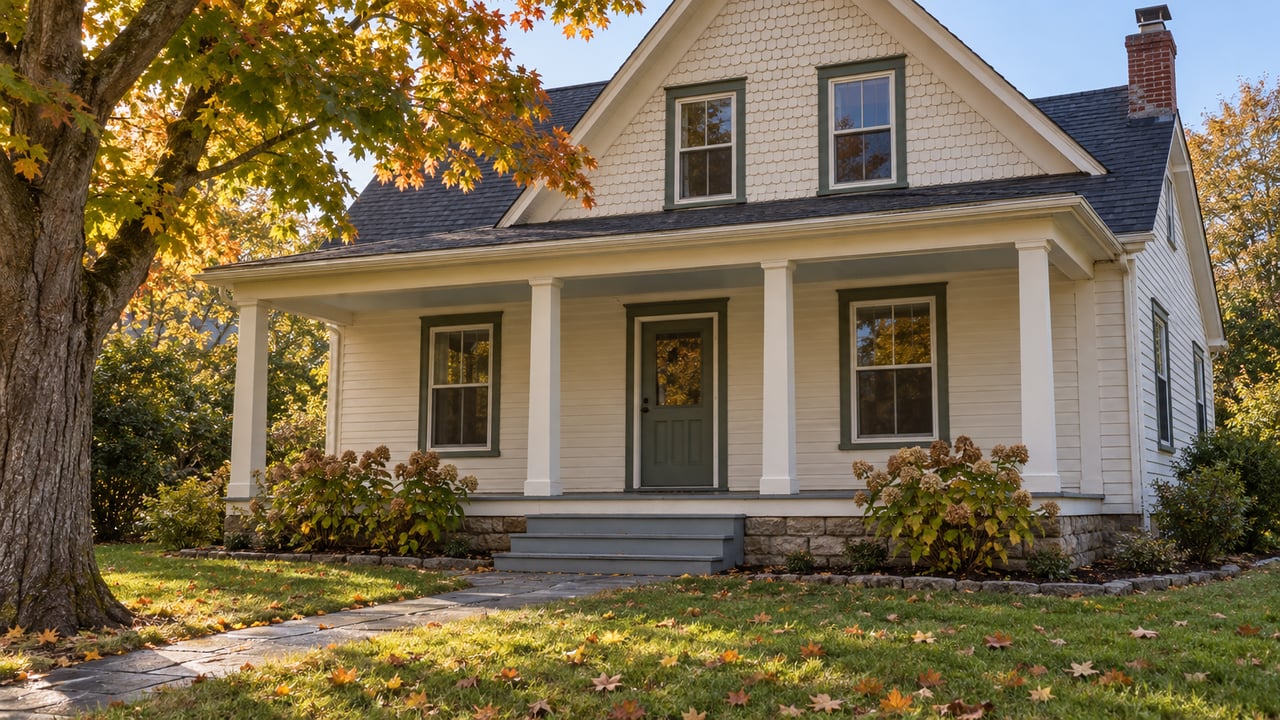
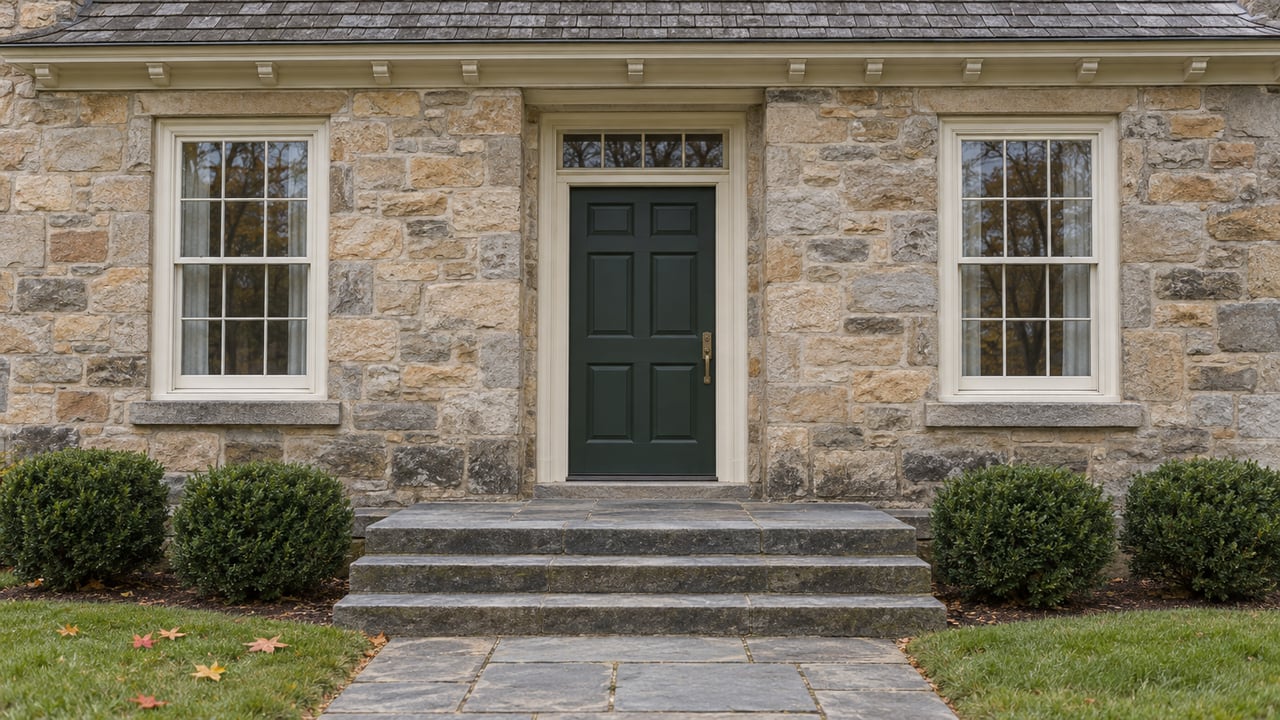
Many buyers are drawn to the architectural texture of Thousand Island Park. The preserved cottages, boathouses, and public spaces give the community a strong sense of place that is hard to replicate.
That character is protected through local park rules. Exterior changes require review, and a Preservation Permit is needed for renovations that alter a cottage’s exterior appearance. Depending on the scope of work, you may also need drawings, conceptual approval, or permits from the Town of Orleans, Jefferson County, New York State, the DEC, or the Army Corps of Engineers.
What Owning a Cottage Really Involves
Owning in Thousand Island Park can be deeply rewarding if you want a returning summer base and are comfortable acting as a steward of a historic property. It also means taking on ongoing responsibilities that go beyond the purchase itself.
Maintenance Is Year-Round
Owners and lessees are expected to maintain cottages, boathouses, and lots throughout the year. That includes annual lot cleanup by June 1, proper trash handling, and ongoing repair of the lot, cottage, or boathouse.
If routine upkeep is not handled, certain work, such as seasonal lawn mowing, can be charged back to the owner. Contractors working in the park must also register with the Corporation, which adds another layer of coordination when repairs or renovations are needed.
Carrying Costs Go Beyond the Sale Price
Available listings show that prices can vary widely in Thousand Island Park, from smaller historic cottages to larger properties at much higher asking prices. That range suggests that size, condition, and waterfront access can significantly affect value.
Still, the purchase price is only one part of the decision. You will want to think through the full annual carrying cost, including lease-related charges, taxes, utilities, insurance, maintenance, and any preservation-related work that may come with an older or more prominent cottage.
Community Rules Shape Daily Use
Thousand Island Park is intentionally quiet and low-traffic. The park manual sets a 15 mph speed limit, encourages biking and walking, limits overnight parking, and restricts larger vehicles and motor homes.
For many owners, that structure is part of the appeal. If you value an orderly, preservation-first setting with a slower pace, these rules may feel like a benefit rather than a burden.
What Renting Looks Like in Thousand Island Park
Renting can be a smart way to enjoy the community without taking on the full responsibilities of ownership. It can also serve as a practical first step if you are still deciding whether the park is the right long-term fit.
Renting Offers Access With Fewer Obligations
Registered renters can access many of the same core amenities that owners enjoy during their stay. Park materials note access to shared beach rights, recreational activities, boat dockage, and the social life centered around the green.
That means you can experience much of what makes Thousand Island Park special without managing year-round upkeep, preservation approvals, or contractor logistics. For some households, that flexibility is the clearest advantage of renting.
Rentals Are Strictly Regulated
Renting here is allowed, but it is not casual. Before each occupancy, the cottage owner or agent must file a rental registration, provide the tenant with the park rules, and ensure parking passes are available.
The current manual also requires a safety compliance certification before a rental can begin. In-season rentals run from Memorial Day weekend through Labor Day weekend, must be at least one week long, and are capped at eight weeks per season.
Rental Limits Affect Flexibility
The park charges in-season rentals at $200 per week and off-season rentals at $100 per week, with shorter off-season stays allowed through daily prorations. Occupancy is limited to two people per bedroom or 10 people total, whichever is less.
For owners, these rules mean rental income may help offset carrying costs, but it is not a fully flexible or passive setup. The owner also remains responsible for renter conduct, damage, and any rule violations, and those charges can attach to the leasehold interest.
Lifestyle Questions to Ask Yourself
The best choice often comes down to how you want to spend your time in Thousand Island Park. A cottage here is as much about rhythm and stewardship as it is about real estate.
How Often Will You Actually Be Here?
If you expect to spend much of the summer in the park year after year, ownership may make sense. It gives you a consistent home base and a deeper relationship to the property and community.
If you only want a few weeks each season, renting may be the more comfortable choice. Given the ownership responsibilities and the regulated nature of rentals, some buyers find that trying the park first as a renter is the clearest path.
Do You Want Stewardship or Flexibility?
Ownership tends to suit people who value historic character, recurring seasonal traditions, and the care of a place over time. In Thousand Island Park, that also means being comfortable with governance around exterior work, parking, rentals, and contractor access.
Renting is better suited to those who want freedom to come and go with fewer long-term obligations. You still get the experience of the setting, but with less operational involvement.
Are You Comfortable With a Seasonal Pace?
The area has a distinct seasonal rhythm. Park materials show that some establishments operate seasonally, including the Wellesley Hotel and its restaurant and pub, while The Guzzle offers food and convenience items, and Boomerang Canvas operates year-round.
In practical terms, summer is the liveliest season, while the off-season is quieter. That contrast appeals to many people, but it is worth considering honestly before you buy.
When Owning May Make More Sense
Owning may be the stronger fit if you:
- Plan to return often and use the cottage regularly
- Appreciate historic architecture and preservation-minded communities
- Want a lasting foothold in Thousand Island Park rather than a temporary stay
- Are comfortable with leasehold ownership and community oversight
- Understand that maintenance and compliance are part of the experience
For the right buyer, ownership offers continuity, place, and the satisfaction of caring for a cottage within a distinctive historic setting.
When Renting May Be the Better Choice
Renting may be the better fit if you:
- Are still learning whether Thousand Island Park suits your lifestyle
- Only need a few weeks in the summer or occasional off-season visits
- Prefer fewer maintenance and administrative responsibilities
- Want access to core amenities without committing to long-term ownership
- Value flexibility more than control
For many people, renting is the simpler way to enjoy the park while keeping future options open.
A Thoughtful Decision Matters Here
Thousand Island Park rewards clarity. If you are drawn to its historic cottages, quiet streets, beach and dock access, and recurring summer life, owning can feel meaningful, but only if you are ready for the responsibilities that come with it.
If what you want most is time in the community without the obligations of year-round care and compliance, renting may be the wiser choice. If you are weighing a purchase and want a measured, place-aware perspective on what ownership in a distinctive community really means, Elizabeth Broderick can help you think it through with care.
FAQs
What does owning a cottage in Thousand Island Park actually mean?
- In Thousand Island Park, you buy the cottage but lease the land from the Thousand Island Park Corporation, so ownership is leasehold rather than a standard land-and-home purchase.
What are the rental rules in Thousand Island Park?
- In-season rentals are limited to eight weeks per season, must be at least one week long, require registration before each occupancy, and need a safety compliance certification before the rental begins.
What maintenance responsibilities come with owning in Thousand Island Park?
- Owners are expected to maintain cottages, boathouses, and lots year-round, including cleanup, trash handling, ongoing repairs, and seasonal upkeep such as lawn care.
Can you renovate a cottage in Thousand Island Park?
- Yes, but exterior changes require review, and a Preservation Permit is needed for work that alters a cottage’s exterior appearance. Some projects may also require additional local or state permits.
Is renting or owning better for first-time visitors to Thousand Island Park?
- Renting is often the lower-friction option for first-time visitors because it offers access to the community experience without the full maintenance, leasehold, and compliance responsibilities of ownership.