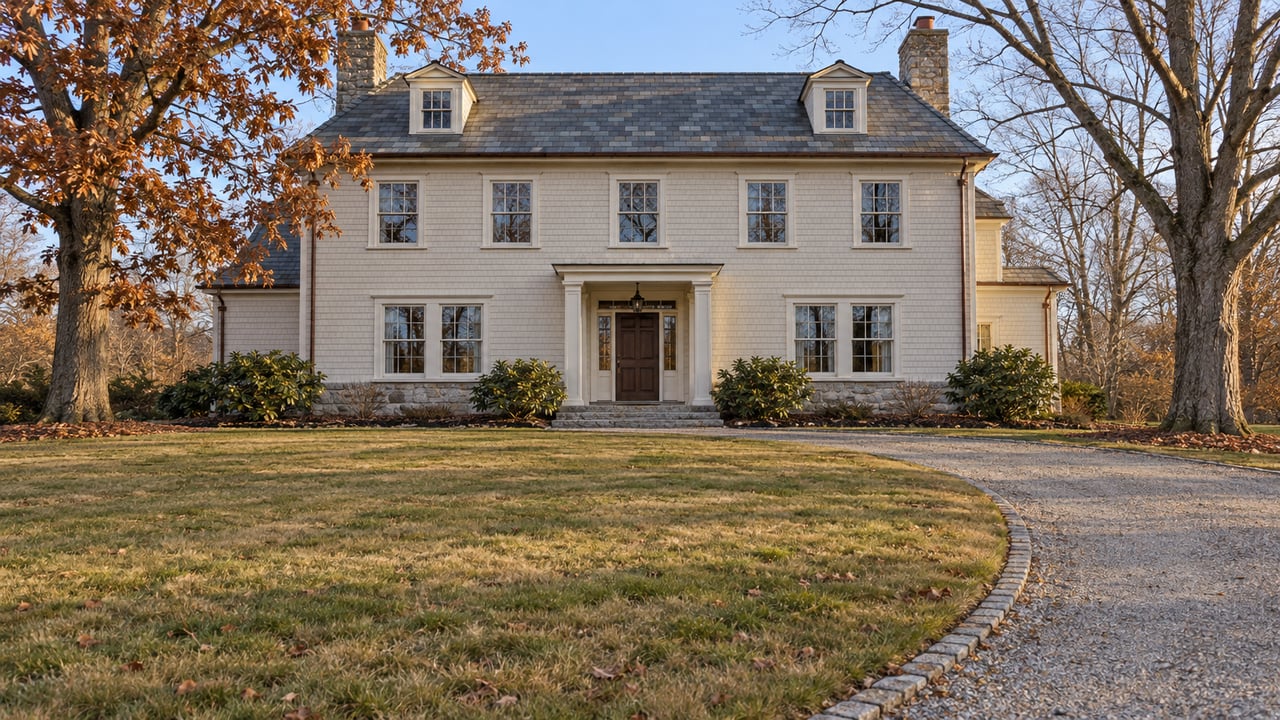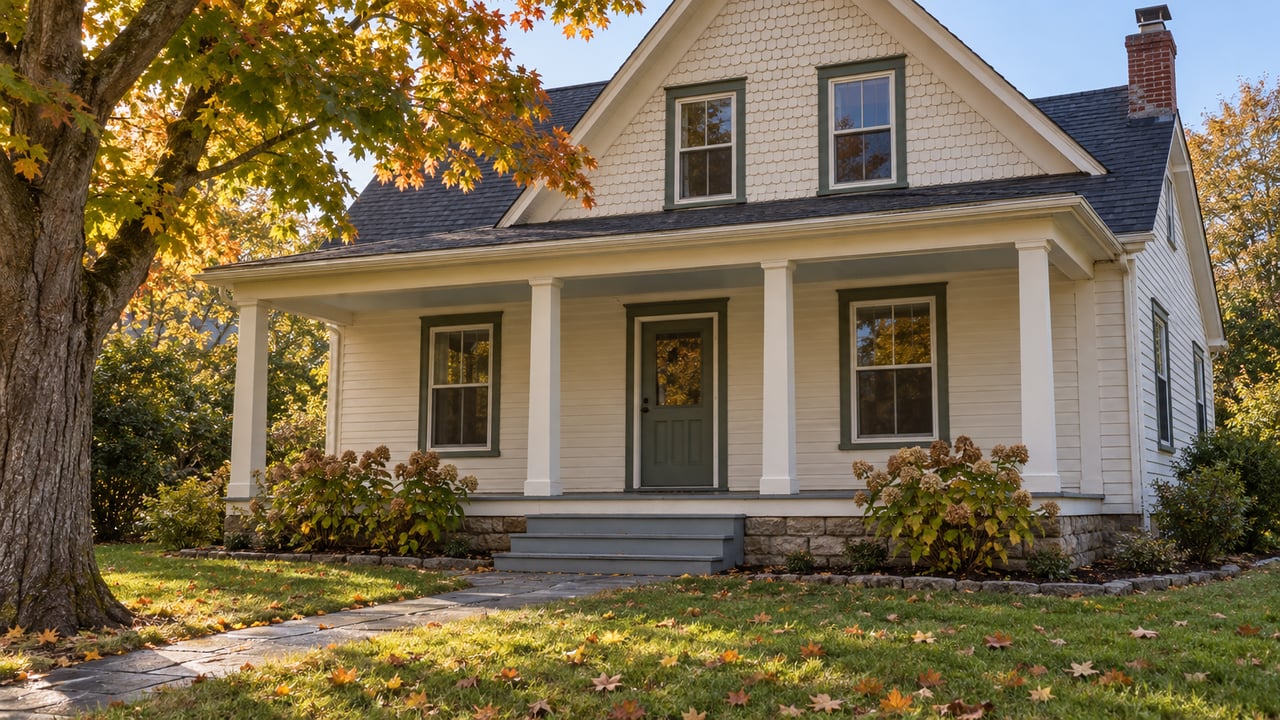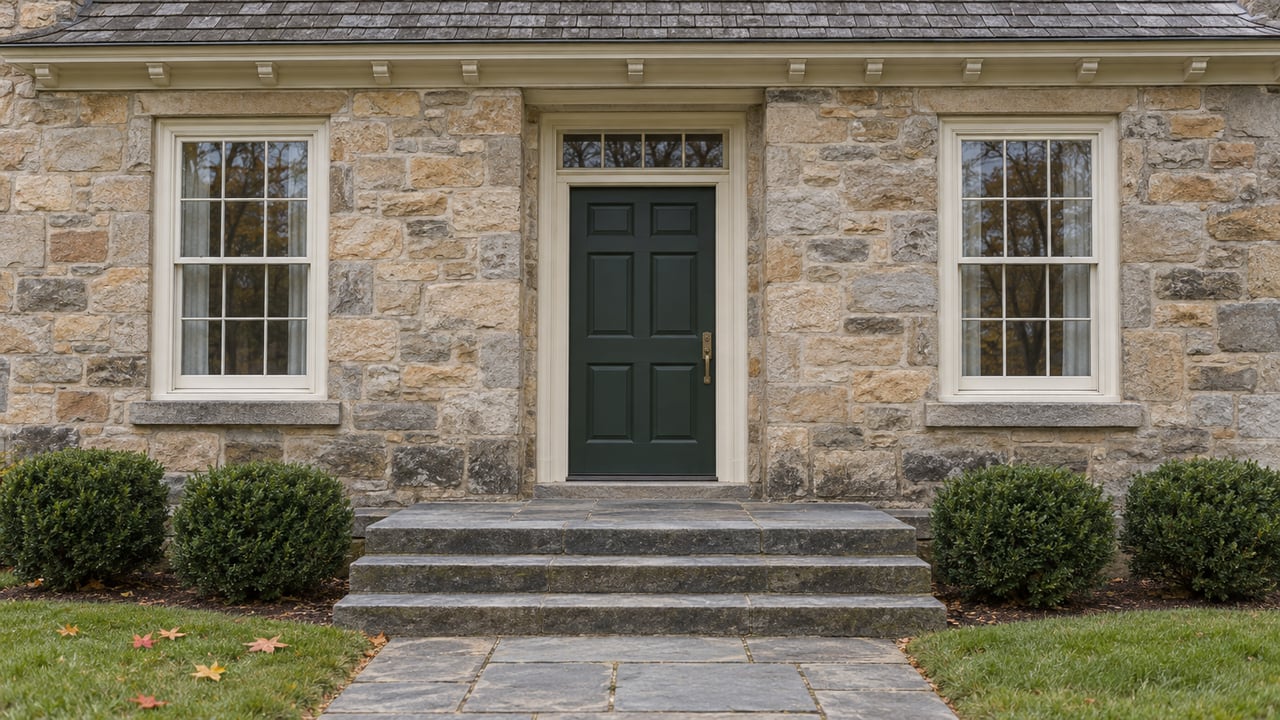
"The property owner of each home has the responsibility of stewardship in maintaining design and construction standards." That line comes from the Village of Tuxedo Park's own description of its Board of Architectural Review, the body that the Village of Tuxedo Park Building Department says must sign off on nearly anything a homeowner does to the outside of a house here. Most buyers read it once during due diligence and file it away as the kind of civic language every historic district uses. It isn't decorative. It's the operating manual.
On October 5, 2026, the Board of Architectural Review will take up something called the Gwathmey Application, one item on a meeting agenda posted to the village's own calendar. Two and a half weeks earlier, on September 17, the Board of Trustees agenda included a DPW report flagging a meter malfunction and a separate tree removal proposal. None of this is historical trivia. It's the village working through its normal weekly business, the same business a new owner walks into the moment a deed records.
What a Tuxedo Park purchase actually includes, beyond the house and the acreage, is standing participation in two systems that run on their own calendar rather than the buyer's: a design review process that reaches nearly everything visible from the road, and a water and sewer utility the village itself owns, meters, and bills. Buyers coming from elsewhere in the Hudson Valley often assume a large historic estate means a private well and a septic field the owner controls outright. In Tuxedo Park, that assumption is backwards more often than it's right.
Two Boards, Not One
The Board of Architectural Review has five voting members appointed by the Board of Trustees, supported by an engineer, a recording secretary, and an attorney. It meets twice a month, on the first and third Monday, at 5:30 p.m. Its jurisdiction is broad by design: new construction, exterior alteration, demolition, excavation, site work, and accessory structures all require a building permit and a stop at the board before anyone can start. So do stone walls, fences, and tree removal. So do interior projects if they involve significant electrical upgrades. The village's code goes further than most people expect, naming specific structures the board reviews for both design and site placement: garages, sheds, gazebos, greenhouses, follies, animal shelters, playhouses.
Larger projects add a second board to the sequence. New residential construction on an undeveloped lot, or a subdivision request, goes to the Planning Board, which works out the building envelope, driveway and utility access, and the engineering of the site before the architectural review even begins.
The procedural mechanics matter as much as the jurisdiction. An application needs representation by a registered New York State architect or a licensed professional engineer familiar with the site and the village's zoning law, its SEQRA obligations, and its National Register of Historic Places designation. The board can waive that requirement, but only for projects valued under $10,000. Once a complete application is filed, the Building Inspector has 45 days to review it against the zoning law, the fire and building code, and the water and sewer regulations before it can move to the Board of Architectural Review. And it can't simply appear on the next agenda. The filing has to be on record at the Village Office at least 10 days before that meeting. If the project needs a State Environmental Quality Review, that happens before the board can decide, and once the board approves, the application still moves to the Board of Trustees, which actually issues the permit.
A buyer picturing a quick coat of paint on the shutters this fall should confirm the scope with the Building Inspector rather than assuming. A buyer picturing a new pool, a rebuilt stone wall, or a cleared sightline to the lake is looking at a process measured in months, not a phone call to a contractor.
What Sits on the Agenda Right Now
The Gwathmey Application on the October 5 Board of Architectural Review agenda is one property owner's project working its way through exactly the sequence described above. The September 17 Board of Trustees session, in the same stretch of weeks, carried a DPW report noting a meter malfunction and a tree removal proposal moving through the same review chain. Two different boards, two different weeks, both active at the same time a new owner might be closing on a house three streets over. The system doesn't pause for a closing. It keeps moving on its own schedule.
The Utility You Didn't Know You Were Buying Into
Most of the village, and part of the surrounding town, gets its water not from a private well but from the Village of Tuxedo Park's own water treatment plant, drawing from Tuxedo Lake as the primary reservoir with Pond No. 3 and Wee Wah Lake held as backups. The village also runs its own sewer treatment plant and infrastructure. Every property is metered.
Billing runs on a fixed quarterly cycle: January for the October through December period, April for January through March, July for April through June, and October for July through September. The Village of Tuxedo Park Water and Sewer Department lists current rates as $16.85 per 1,000 gallons for commercial usage, with a residential minimum of $136.54 per quarter covering 8,500 gallons and a commercial minimum of $232.20 covering 12,000 gallons. Sewer carries its own quarterly minimum of $108.44, which includes a $35 capital fee.
The water department's own page spells out a clause every buyer should read: an owner has an obligation to be aware that a meter exists on the property and to make sure it's read and billed. If it isn't, an implied contract still exists between the owner and the village for the water used during that gap, and the owner is liable for the unpaid amount plus penalties. A malfunctioning meter, like the one flagged in the September 17 DPW report, doesn't erase the underlying usage. It just delays the bill.
There's a second layer specific to a village this size and this old. A 2022 draft local law on sewer rents addresses properties that maintain both a public connection and a private water source, likely legacy wells kept alongside the village hookup. For those properties, sewer rent isn't simply calculated from the metered public water reading, since that reading would understate actual usage. The village instead sets the charge based on the estimated or measured volume of sewage actually entering the system. And for properties not tied into the sewer trunk line at all, the Village Code makes the owner responsible for private sanitary facilities, cesspools and septic tanks: cesspools must be pumped and inspected at least once a year, septic systems serviced at least once every five years, all at the owner's sole expense.
What This Means at the Closing Table
Two questions belong in due diligence here beyond the standard disclosure package. First, whether any Board of Architectural Review application, pending or recently closed, is attached to the property, since an approval in hand or a violation still working through the process changes what a new owner can and can't do on day one. Second, the meter and billing history, since a malfunction or an unresolved discrepancy attaches to the property's account rather than disappearing with the previous owner's signature.
For anyone planning exterior work after closing, the calendar is the real budget line. Two Monday meetings a month, a 10-day filing window ahead of each one, and a 45-day Building Inspector review before an application even reaches the board add up to a process best started the winter before a summer project, not the week the moving truck pulls away.
Frequently Asked Questions
Should I confirm routine maintenance with the Building Inspector? The village advises owners to confirm the scope of a project with the Building Inspector rather than assuming it qualifies.
Can I hire any contractor for a Board of Architectural Review application, or does it require an architect? Applications require representation by a New York State registered architect or a licensed professional engineer. The board may waive that requirement, but only for projects valued under $10,000.
How long should I plan for design review to take? Budget at least 45 days for the Building Inspector's initial review; a complete application must also be on record at least 10 days before one of the twice-monthly Monday meetings. Projects requiring Planning Board or SEQRA review will run longer.
Is Tuxedo Park on private well and septic like most Hudson Valley estate properties? Most of the village draws water from its own treatment plant, fed by Tuxedo Lake with Pond No. 3 and Wee Wah Lake as backup reservoirs, and most properties connect to the village sewer system. Some individual properties still maintain supplemental private wells, and parcels not tied into the sewer trunk line rely on private septic or cesspool systems that remain the owner's responsibility to maintain.
Buying an estate inside these gates means buying into a set of civic processes as distinctive as the architecture itself. Tuxedo Hudson Realty works through a property's Board of Architectural Review history and utility standing before an offer goes in, so a buyer knows exactly which calendar they're stepping into before they own it.
This article is general information, not legal, tax or financial advice. Consult a qualified professional about your situation.